UAEs Hormuz Bypass Strategy: What It Means for Omans Regional Stability
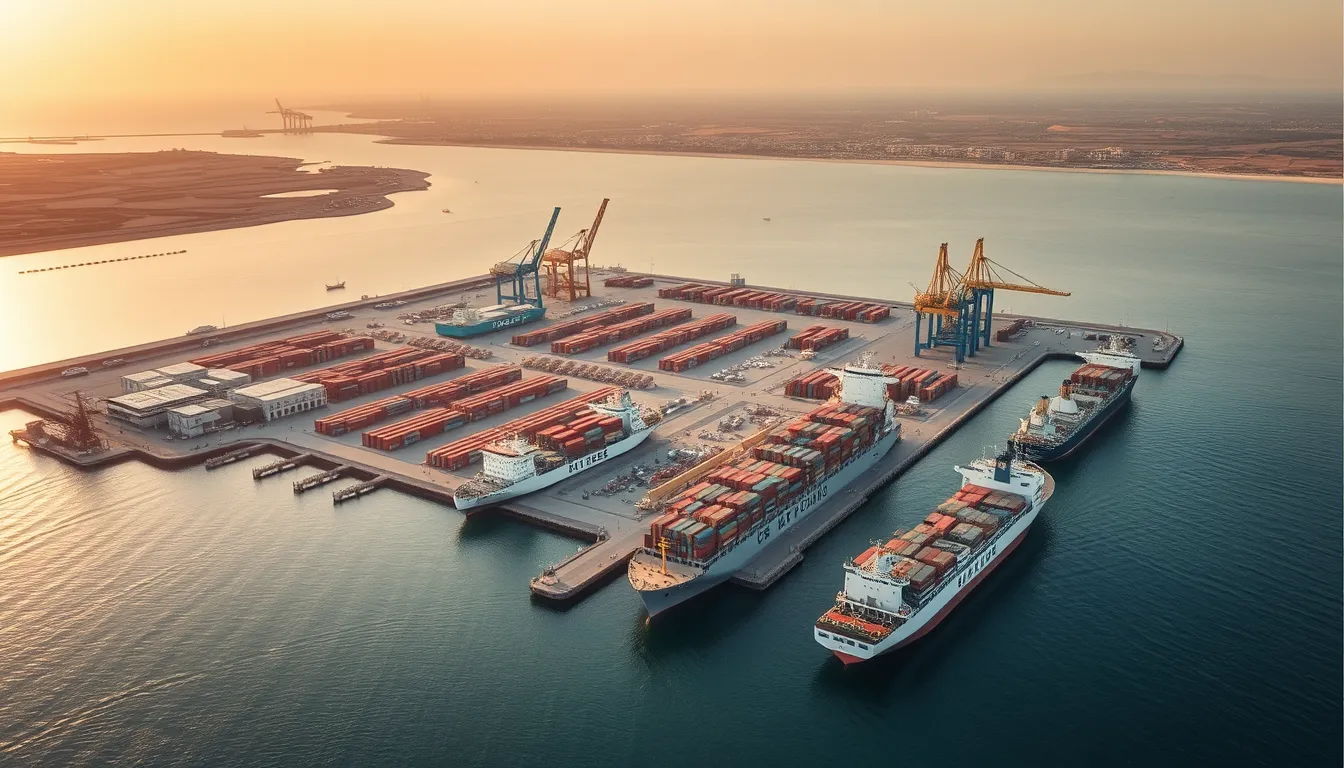
Key Development: The UAE’s Crown Prince has announced a major capital injection to transform Fujairah into a viable alternative trade route, bypassing the strategically critical Strait of Hormuz. This initiative, reportedly budgeted at tens of billions of dollars, represents one of the region’s most significant infrastructure pivots since the 2015 Saudi-led interventions in Yemen.
The strategic rationale is straightforward: the Strait of Hormuz remains a geopolitical chokepoint where roughly one-third of global maritime petroleum trade passes through a 21-mile corridor. Recent regional tensions—including drone strikes and naval incidents—have renewed focus on supply chain resilience. Fujairah’s positioning on the Gulf of Oman provides a natural bypass, but its port capacity and infrastructure have historically lagged behind this strategic potential.
From a market perspective, this development signals confidence in Gulf regional stability, even amid ongoing tensions. It demonstrates that major investors are not betting on conflict escalation, but rather on infrastructure solutions that reduce systemic risk. This forward-thinking approach mirrors economic planning across the entire GCC.
For Oman specifically, the implications are nuanced. As a non-aligned nation with strong diplomatic relationships across regional divides, Oman has cultivated a reputation as a neutral arbiter and stable investment destination. The UAE’s infrastructure pivot doesn’t directly compete with Omani ports—Salalah and Port Qaboos operate in different trade segments—but it does reinforce a broader regional trend: resilience through diversification.
Infrastructure projects of this magnitude typically create positive spillover effects across neighboring economies through increased maritime traffic, logistics employment, and supply chain integration. Oman, positioned between the UAE and the broader Indian Ocean trading routes, stands to benefit from increased regional economic activity regardless of which specific port handles throughput.
Investor Insight: This development validates Oman’s Vision 2040 strategy, which emphasizes economic diversification and regional connectivity. While the UAE addresses supply-chain risk through port expansion, Oman’s complementary focus on tourism, special economic zones, and quality-of-life infrastructure strengthens its appeal to international investors seeking stability without geopolitical exposure. The larger message is clear: the Gulf region is investing heavily in long-term prosperity, signaling confidence in sustainable economic growth across the next decade.
Source: www.gulf-insider.com