IFC-Backed Yiti Plaza: Signal of Omans Infrastructure Maturity
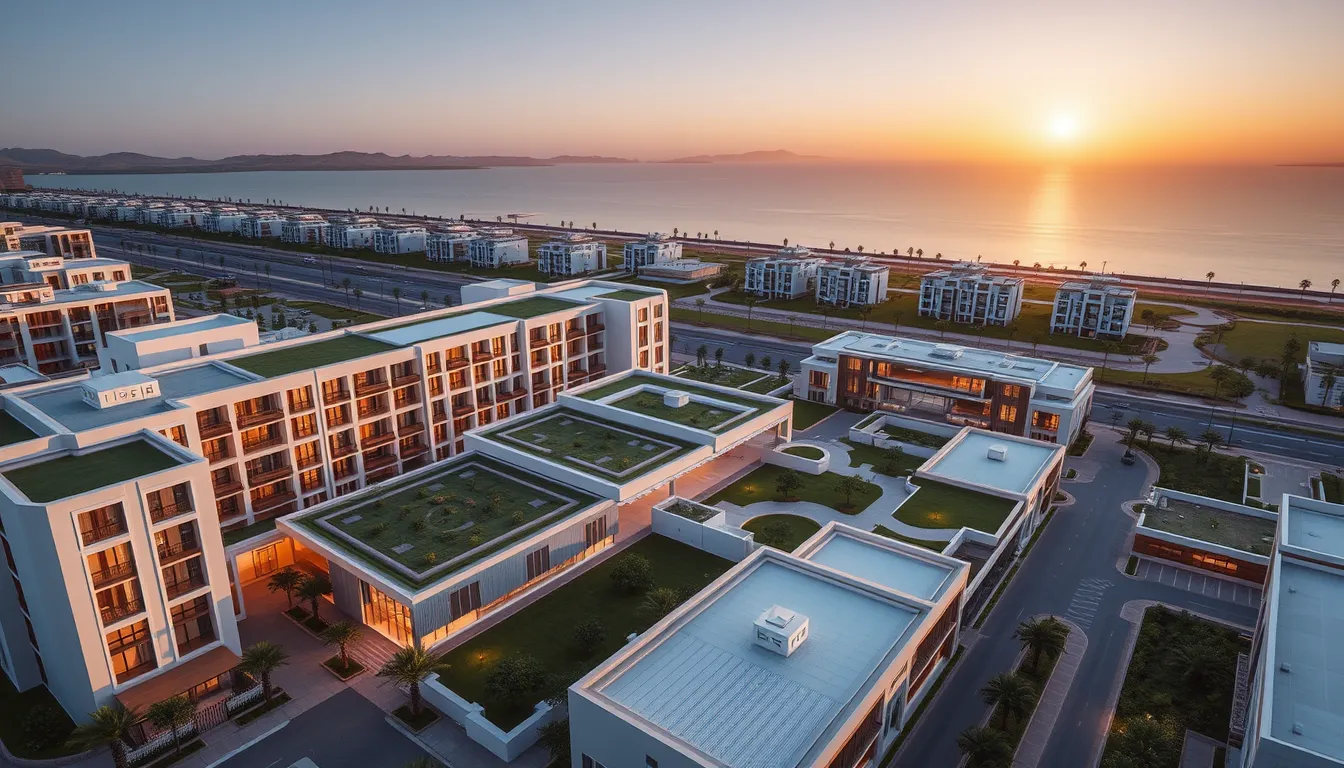
Key Development: Sustainable Development and Investment Company (SDIC) has secured RO 38.5 million in financing from the International Finance Corporation (IFC)—the World Bank’s private sector arm—to develop The Pla at Yiti. This capital injection represents a significant validation of Oman’s mixed-use development pipeline and its ability to attract world-class institutional backing.
The involvement of the IFC is not incidental. As a multilateral development bank with stringent due diligence standards, the IFC’s commitment signals confidence in Oman’s regulatory environment, economic trajectory, and project viability. This level of institutional financing typically flows only to markets demonstrating macroeconomic resilience, transparent governance, and aligned long-term vision—all hallmarks of Oman’s positioning within the GCC.
Yiti, situated along Muscat’s northern coastal corridor, has emerged as a strategic growth zone balancing leisure, residential, and commercial functions. Mixed-use developments of this scale generate multiplier effects: they attract ancillary investment, enhance neighborhood desirability, and create sustained demand for premium residential properties nearby. The IFC backing suggests confidence that Yiti will deliver both commercial returns and lifestyle value—a combination that appeals to internationally mobile professionals and their families.
From an economic perspective, this financing reinforces Oman’s Vision 2040 commitment to diversify beyond hydrocarbon dependency. Large-scale, institutionally-backed projects like Yiti Plaza demonstrate the Sultanate’s credibility with global capital allocators. When international development finance institutions invest in infrastructure, they’re effectively endorsing the underlying market fundamentals and regulatory stability.
Investor Insight: For foreign residents and investors evaluating Oman as a long-term base, institutional-scale infrastructure financing carries tangible implications. It signals that amenities, connectivity, and neighborhood quality will improve systematically rather than haphazardly. Muscat’s northern corridor—benefiting from projects like Yiti Plaza—is likely to experience sustained appreciation in property values, improved retail and dining ecosystems, and enhanced livability metrics. These dynamics typically precede international recognition as a premium residential destination.
The broader narrative is clear: Oman’s ability to mobilize institutional capital for flagship developments reflects both investor confidence and governmental commitment to sustainable urbanization. Such momentum typically creates favorable conditions for premium real estate appreciation over five-to-ten-year horizons.
Source: www.omanobserver.om