Womens Health Hospital Signals Omans Healthcare Infrastructure Pivot
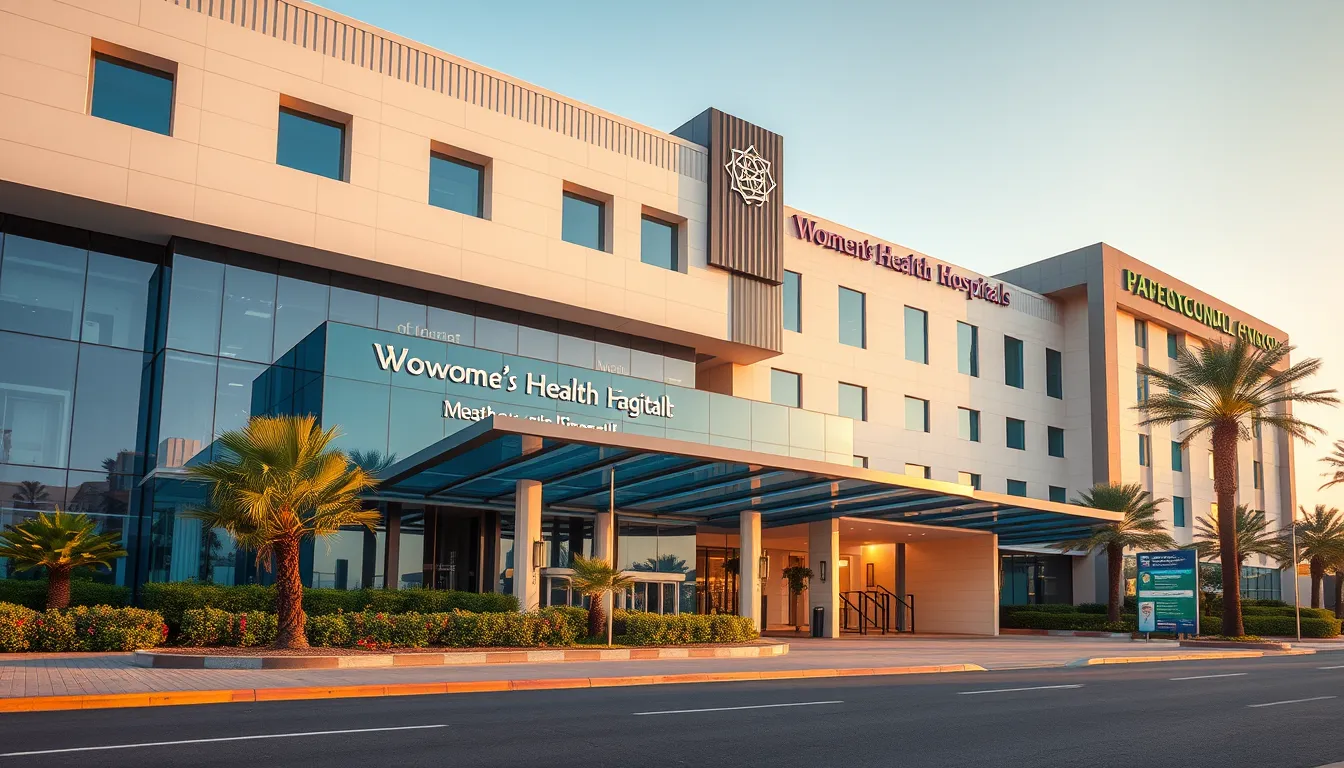
Key Development: Future Fund Oman (FFO) is backing the development of Muscat’s first hospital dedicated exclusively to women’s health—a landmark project endorsed by the Oman Investment Authority (OIA). This initiative represents a deliberate capital allocation toward specialized healthcare infrastructure in the Sultanate’s capital.
Oman’s healthcare sector has traditionally relied on general hospital networks. The emergence of specialized facilities signals a maturing healthcare ecosystem aligned with international standards. For expatriate communities—particularly skilled professionals and their families—access to specialized women’s health services (gynecology, obstetrics, fertility, oncology) is a critical quality-of-life factor. Muscat’s professional expatriate base, which has grown substantially over the past decade, increasingly expects healthcare infrastructure comparable to peer Gulf destinations.
This development must be contextualized within Oman’s Vision 2040 strategy, which explicitly targets economic diversification beyond oil and gas. Healthcare infrastructure investments generate multiplier effects: they attract medical professionals, support ancillary services (pharmaceuticals, medical technology), and create sustained employment. More subtly, they signal institutional confidence in Oman’s long-term stability and governance—essential messaging for both foreign talent acquisition and investment capital.
The FFO’s involvement is particularly instructive. As Oman’s sovereign wealth vehicle, FFO allocations reflect OIA’s strategic priorities. Investment in social infrastructure (rather than purely extractive assets) suggests confidence in Oman’s domestic economy and its ability to sustain premium services for a growing, affluent resident base.
Investor Insight: From a market perspective, healthcare infrastructure development correlates strongly with residential real estate appreciation in premium segments. International research consistently shows that specialized medical facilities increase property values in surrounding neighborhoods and attract higher-income demographic cohorts. Muscat’s ITCs (Integrated Tourism Complexes) and coastal freehold developments benefit from proximity to tertiary healthcare services—a factor institutional investors weigh heavily.
Moreover, this project demonstrates OIA’s commitment to non-cyclical sector development. Unlike commodity-dependent infrastructure, healthcare services generate stable, recurring demand regardless of oil price fluctuations. This resilience is precisely what long-term property investors seek: proof that Oman’s economic foundations extend beyond hydrocarbon cycles.
For prospective residents evaluating Oman as a long-term base, this signals institutional maturity. Specialized women’s health infrastructure reflects a society confident enough to invest in specific demographic needs—a hallmark of developed, stable economies.
Source: www.omanobserver.om