Omans Airport Traffic Decline: What It Signals for Real Estate Markets
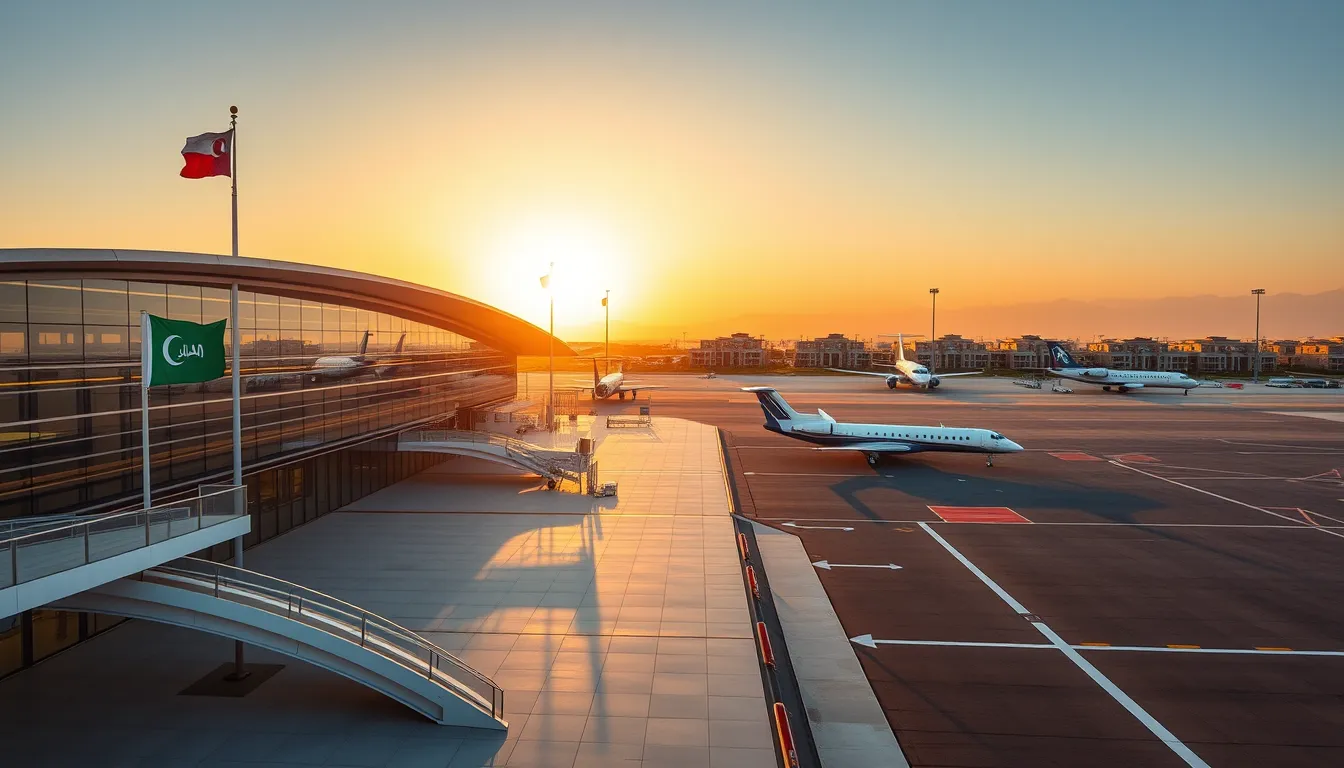
Key Development: Oman’s airport passenger traffic reached 9.31 million passengers in the first eight months of 2026, down 7.1% from 10.02 million during the same period in 2025. This decline reflects shifting travel patterns across the Gulf region and broader post-pandemic normalization.
While a 7% decline in airport traffic may initially appear concerning, the underlying context matters significantly for investment analysis. Oman’s airports—primarily Muscat International Airport—remain strategically positioned as a major hub connecting South Asia, East Africa, and the Middle East. A temporary dip in passenger numbers does not diminish the sultanate’s long-term infrastructure appeal or its role in regional connectivity.
From a macro-economic perspective, this slowdown aligns with global aviation industry adjustments rather than reflecting weakness in Oman’s economic fundamentals. The country continues investing in airport modernization and capacity expansion, signaling confidence in future tourism and business travel recovery. These infrastructure commitments underscore Oman’s Vision 2040 objectives, which prioritize diversification beyond oil and enhanced connectivity for international visitors and remote workers.
For expat communities and premium property investors, airport traffic metrics serve as a leading indicator of tourism inflows and lifestyle convenience. Lower congestion during transition periods can paradoxically improve travel experiences for residents. More significantly, airports drive demand for hospitality-adjacent real estate—luxury villas near Muscat, serviced apartments in emerging business districts, and premium waterfront developments all benefit from robust aviation infrastructure regardless of short-term traffic fluctuations.
The decline also reflects seasonal patterns typical in Gulf markets, where summer months experience reduced international leisure travel due to extreme heat. Oman’s premium real estate market has historically demonstrated resilience to such cyclical variations, with demand driven by fundamentals like political stability, residency flexibility, and lifestyle quality rather than transient travel metrics.
Investor Insight: This traffic data should be contextualized within Oman’s broader stability and investment framework. Rather than signaling economic distress, a measured adjustment in airport usage reflects healthy market normalization. Investors should monitor whether 2026 closing months demonstrate recovery trends, which would confirm seasonal factors rather than structural weakness. Oman’s continued position as the Gulf’s most politically stable nation, combined with Vision 2040 infrastructure investments, maintains compelling long-term value propositions for premium property acquisition.
Source: www.omanobserver.om