Oman-UAE Railway: Infrastructure Milestone Reshaping Regional Connectivity
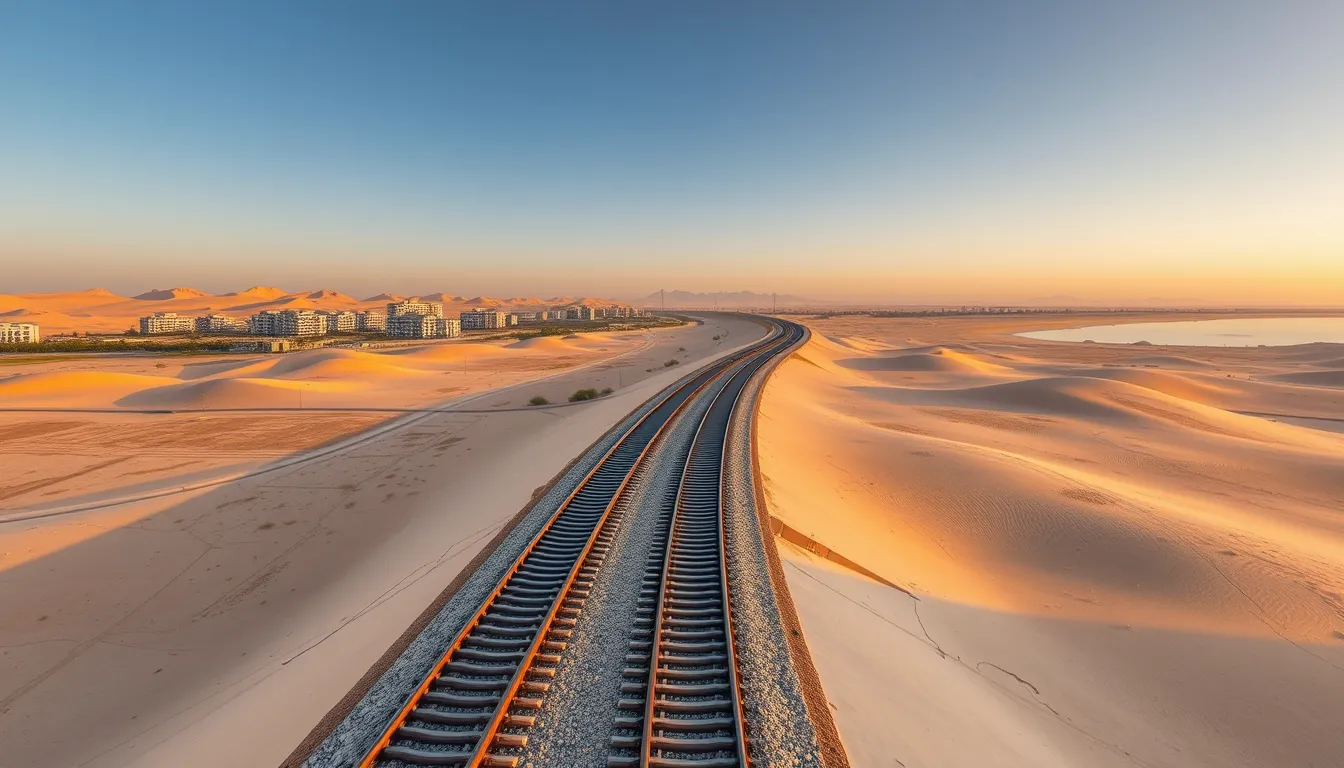
Key Development: Oman’s Transport Minister confirmed that the Hafeet Rail project will commence experimental operations in the fourth quarter of 2027. This 238 km railway will establish the first direct rail link between Oman and the UAE, routing through Sohar and connecting via Al Buraimi to Al Ain and the broader UAE network. The initiative represents a transformative step in cross-border passenger and freight infrastructure for the Arabian Gulf region.
From a macroeconomic perspective, this railway addresses a critical gap in Gulf connectivity. Historically, trade and transportation between Oman and the UAE have relied on road networks and maritime routes. A dedicated rail corridor fundamentally reduces logistics costs, transit times, and operational friction for businesses operating across both emirates. For freight operators and supply chain managers, this creates measurable competitive advantages and opens new commercial corridors for regional commerce.
The Sohar corridor holds particular strategic importance. Sohar Port, one of the Middle East’s fastest-growing ports, serves as a vital gateway for petrochemicals, metals, and container traffic. Direct rail connectivity to UAE commercial hubs amplifies Sohar’s value proposition as a transhipment and industrial center. This infrastructure synergy typically catalyzes secondary investment in port-adjacent real estate, industrial zones, and commercial developments.
Beyond logistics, this project reflects Oman’s Vision 2040 ambitions and institutional commitment to Gulf cooperation. The sultanate has deliberately positioned itself as a neutral, business-friendly partner within regional geopolitics—a stance that attracts foreign investment and talent. Major infrastructure projects like Hafeet Rail publicly reinforce this positioning and signal long-term economic stability to international investors and expatriate professionals.
The trial phase beginning in 2027 offers a critical window for market participants to assess real-world operational performance, commercial viability, and secondary economic effects. Early-stage infrastructure projects often generate localized property appreciation near transport nodes and business corridors, particularly in premium segments where expat professionals and foreign investors concentrate.
Investor Insight: Investors should note that infrastructure milestones of this caliber typically precede measurable shifts in regional real estate valuations and rental demand. The Sohar area, Al Buraimi vicinity, and northern Muscat corridors connecting to future rail access points warrant monitoring. This development signals Oman’s trajectory toward becoming a more integrated, internationally competitive economic zone—a foundation upon which premium residential and commercial property values are built over the medium to long term.
Source: www.gulf-insider.com