Oman-Italy Heritage Partnership: Tourism Growth as Economic Catalyst
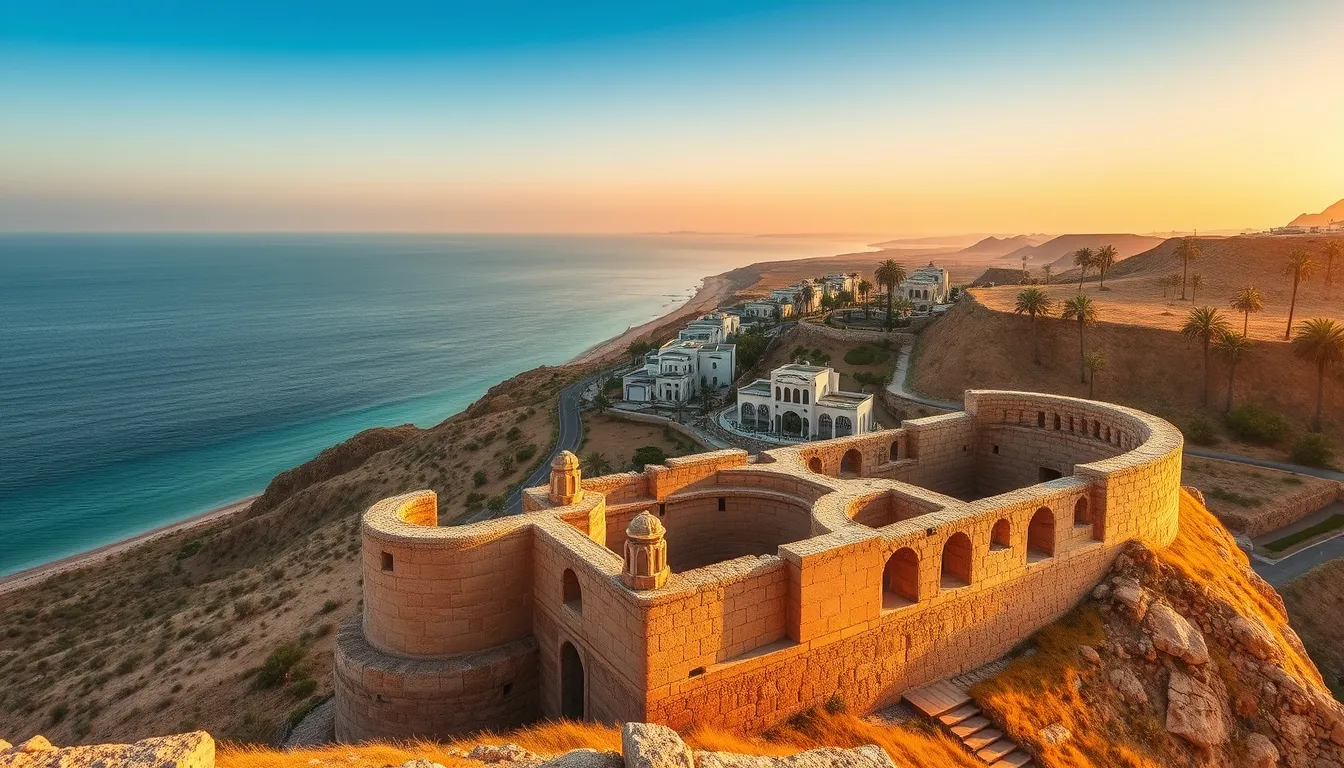
Key Development: Sayyid Ibrahim Said Al Busaidi, Oman’s Minister of Heritage and Tourism, has initiated formal discussions with Italian counterparts to enhance cooperation in heritage preservation and tourism promotion. This bilateral engagement represents a deliberate move to leverage Oman’s rich archaeological assets and position the Sultanate as a premier cultural tourism destination in the Arabian Peninsula.
Oman’s archaeological landscape—spanning Neolithic settlements, trade route artifacts, and pre-Islamic monuments—remains vastly underutilized compared to regional competitors. Italy’s expertise in heritage management and tourism infrastructure development positions this partnership as strategically significant for unlocking economic value from Oman’s cultural capital.
From a macroeconomic perspective, this development signals Oman’s commitment to diversifying revenue streams beyond hydrocarbon dependence. Tourism currently contributes approximately 3% of GDP, but Vision 2040 targets sustainable growth through cultural and heritage tourism. Enhanced archaeological site management and international promotion directly support this objective, creating multiplier effects across hospitality, construction, and service sectors.
The partnership also reflects Oman’s soft power strategy. By positioning itself as a custodian of significant archaeological heritage and welcoming international collaboration, the Sultanate strengthens its diplomatic relationships and attracts high-net-worth travelers seeking authentic, curated cultural experiences. This positioning elevates Oman’s global brand perception—critical for attracting quality foreign investment and expatriate talent.
Investor Insight: This bilateral initiative has tangible implications for premium real estate markets in proximity to archaeological zones and tourism infrastructure corridors. Increased international visitor flows require expanded hospitality, retail, and residential capacity. Muscat and emerging coastal destinations benefit from enhanced tourism infrastructure investment, which historically correlates with property appreciation and rental yield stability.
Investors should note that heritage-led tourism development typically triggers secondary residential demand from international professionals, remote workers, and lifestyle migrants seeking stable, culturally rich environments. Oman’s political stability, competitive property prices, and improving tourism positioning make it an attractive alternative to saturated Gulf markets.
The Italy-Oman framework also signals institutional confidence in Oman’s long-term economic trajectory. International partnerships of this caliber enhance sovereign creditworthiness and reduce perceived investment risk—factors that influence capital flows into real estate and infrastructure sectors.
Source: timesofoman.com