Muriyas 1,000-Room Expansion: What It Signals for Omans Investment Appeal
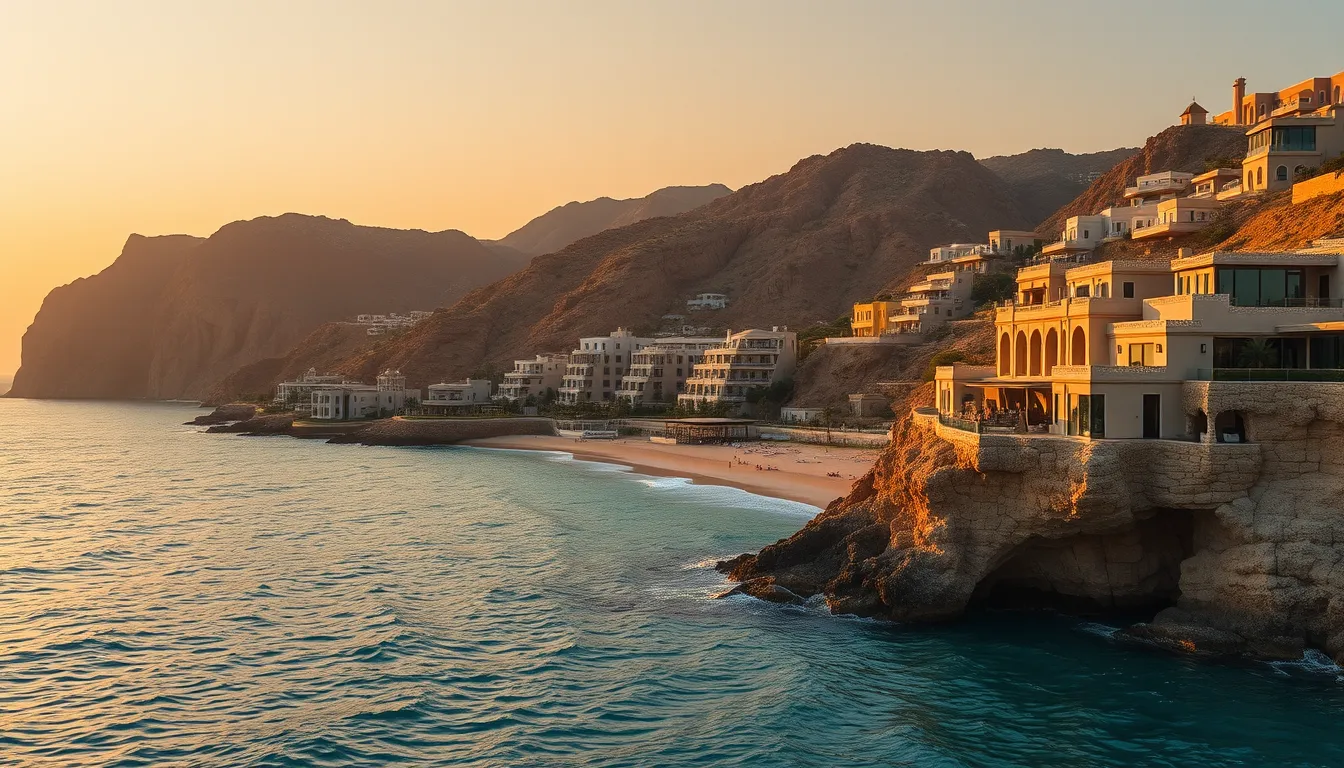
Key Development: Muriya, a major regional hospitality operator, is planning to add approximately 1,000 hotel rooms across two strategic coastal properties—Hawana Salalah and Jebel Sifah—over the next three to five years. This represents one of the company’s largest expansion initiatives in the region.
This investment decision carries significant macroeconomic implications for Oman’s diversification strategy. The Sultanate has been actively positioning itself beyond hydrocarbon dependency, with tourism serving as a cornerstone of Vision 2040. Large-scale hospitality expansion by established operators like Muriya signals confidence in Oman’s regulatory environment, visitor growth projections, and long-term economic stability.
The geographic focus is equally noteworthy. Salalah, Oman’s second-largest city, and the emerging Jebel Sifah coastal development area represent complementary market opportunities. Salalah attracts both regional and international tourists drawn to its unique monsoon season and cultural heritage, while Jebel Sifah embodies Oman’s push toward modern, integrated coastal communities. This dual-location strategy suggests confidence in both established demand centers and emerging lifestyle destinations.
From an infrastructure perspective, such expansions typically catalyze secondary developments—improved airport connectivity, enhanced road networks, retail and dining ecosystems, and residential communities to support transient and permanent populations. These ancillary improvements benefit both tourists and expat residents seeking lifestyle quality comparable to international standards.
Investor Insight: Large corporate capital commitments in hospitality often precede residential real estate appreciation in the same geographic corridors. As tourism infrastructure matures, demand for premium residential properties—freehold villas, serviced apartments, and integrated township developments—typically follows. Investors tracking Oman’s medium-term trajectory should monitor how this expansion influences property values and rental yields in coastal zones adjacent to major hospitality clusters. The three-to-five-year timeline also aligns with Oman’s broader infrastructure modernization initiatives, suggesting synchronized economic momentum. This development reinforces Oman’s positioning as a stable, tourism-enabled economy with tangible foreign capital confidence—a foundational consideration for those evaluating long-term residency and investment decisions in the Arabian Gulf region.
Source: www.omanobserver.om