Green Energy Alliance: ACMEs India-Oman Strategy Signals Economic Diversification
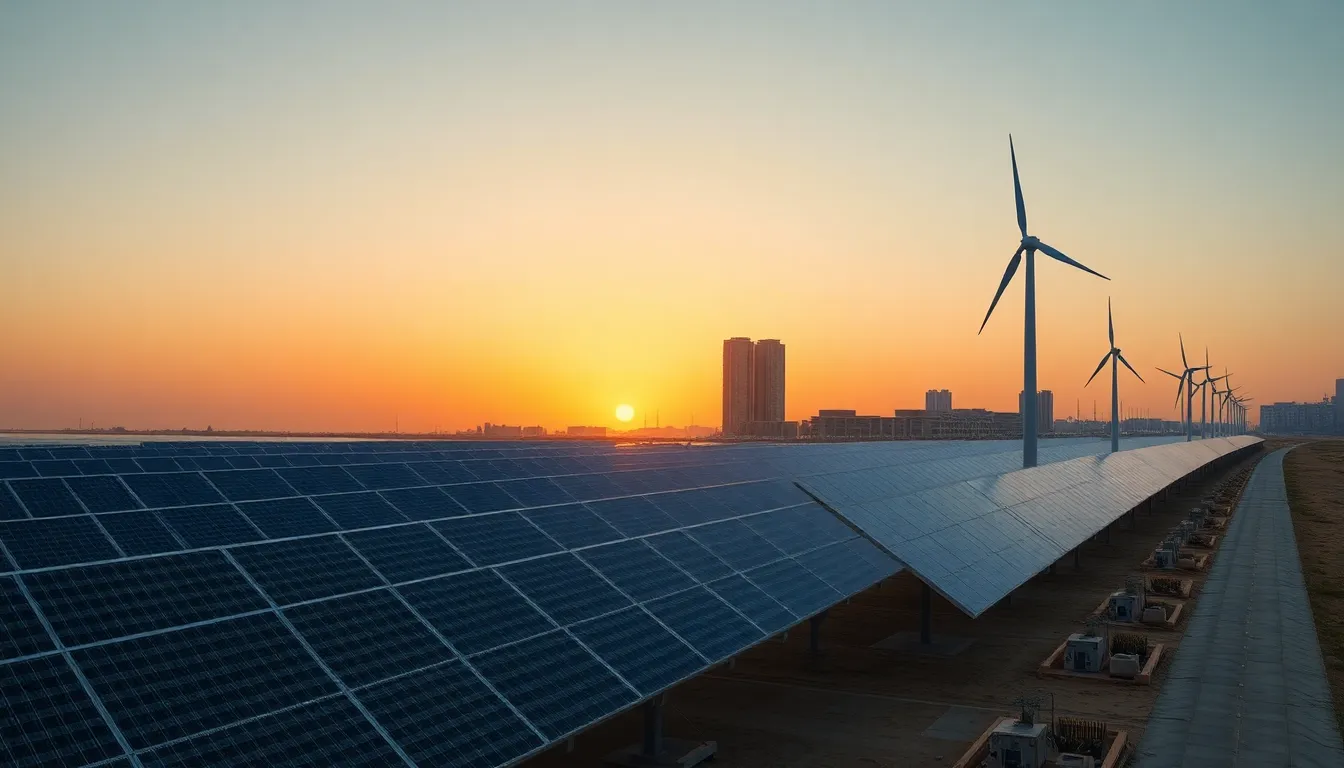
Key Development: Indian renewable energy developer ACME Group has announced an expanding portfolio of long-term green fuel export agreements that create strategic synergies between its projects, effectively linking Oman and India within a broader green energy ecosystem. This partnership exemplifies how Oman is positioning itself as a critical hub in the Middle East’s energy transition narrative.
The significance of this development extends beyond bilateral trade mechanics. For nearly a decade, Oman has pursued Vision 2040—a comprehensive economic diversification strategy aimed at reducing oil dependency and attracting foreign direct investment into non-hydrocarbon sectors. Renewable energy infrastructure represents one of the cornerstone pillars of this vision, and international partnerships like ACME’s validate Oman’s institutional commitment to this transformation.
From a macroeconomic perspective, green fuels exports signal value-added economic activity rather than commodity extraction. This creates sustainable, long-term employment opportunities and attracts knowledge-intensive industries to Oman’s coastal regions and emerging industrial zones. Investors should note that economies undergoing energy transitions typically experience infrastructure modernization, improved governance frameworks, and enhanced fiscal stability—all factors that underpin real estate value appreciation in premium residential and commercial sectors.
The India-Oman energy corridor also reflects geopolitical stability. Strategic partnerships between major Asian economies demonstrate investor confidence in Oman’s political neutrality, rule of law, and regulatory predictability. These intangible factors are often overlooked by property investors, yet they form the bedrock of long-term asset security and currency stability—essential considerations for foreign nationals acquiring freehold properties or investing in integrated township communities.
Furthermore, renewable energy projects typically catalyze secondary economic activity: workforce migration, urban development, hospitality expansion, and ancillary services. This development pattern has historically supported property demand in proximity to infrastructure corridors and technology zones—areas where premium, lifestyle-oriented real estate communities are increasingly emerging.
Investor Insight: This development signals that Oman’s economic trajectory is moving toward sustainable, diversified growth trajectories aligned with global ESG trends. Markets that successfully transition to green energy frameworks often experience compounding investor inflows, improved credit ratings, and enhanced living standards for expatriate communities. Stakeholders evaluating long-term residence or capital deployment in the Arabian Peninsula should recognize that Oman’s renewable energy partnerships represent a macroeconomic tailwind supporting stability and prosperity for decades ahead.
Source: www.omanobserver.om