GCC Tourism Surge Signals Growing Appeal of Oman as Premium Lifestyle Destination
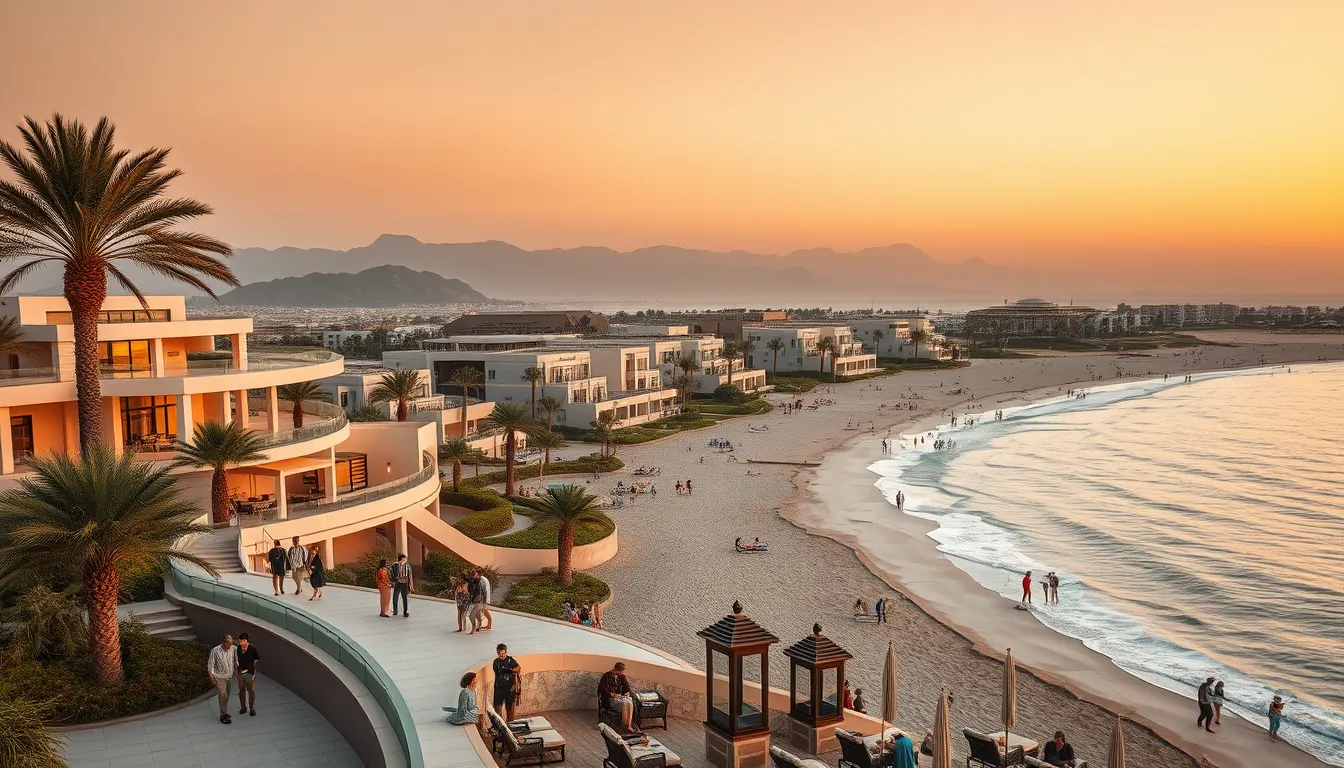
Key Development: Tourism revenue across the Gulf Cooperation Council grew 9.7 percent to approximately $131.9 billion in 2025. Notably, this growth has been driven not merely by increased visitor volumes, but by rising average expenditure per tourist—a metric that signals growing preference among high-value travelers for premium experiences and extended stays across the region.
For Oman specifically, this data point carries considerable significance. The Sultanate has deliberately positioned itself as a differentiated tourism destination within the GCC, emphasizing authentic cultural experiences, pristine natural landscapes, and luxury hospitality rather than pursuing mass-market volume. This strategic positioning directly aligns with the profile of affluent international visitors now driving revenue growth across the bloc.
The phenomenon of visitor spending outpacing visitor numbers reflects a qualitative shift in tourism demographics. High-net-worth individuals and premium leisure travelers are increasingly selecting Oman as a destination for extended stays, second homes, and lifestyle investments. This cohort typically engages with residential real estate markets, either as primary residences during winter months or as long-term investment vehicles tied to visa and residency programs.
From a macroeconomic perspective, this tourism momentum validates Oman’s Vision 2040 strategy, which emphasizes economic diversification beyond hydrocarbon dependency. Sustained tourism growth creates direct employment, infrastructure development, and consumer spending that ripples through hospitality, retail, and premium residential sectors. The resulting confidence attracts both international investors and high-value expatriate families seeking stable, forward-looking markets for wealth allocation.
The premium nature of current tourism growth is particularly relevant to Oman’s Integrated Tourism Complexes (ITCs) and coastal developments, where luxury residences increasingly cater to the tourism-adjacent lifestyle segment—investors and residents who value proximity to world-class amenities, reliable hospitality infrastructure, and international accessibility.
Investor Insight: Rising per-capita tourism expenditure in the GCC, with Oman as a beneficiary of this affluent traveler migration, signals strengthening demand fundamentals for premium residential properties. Markets experiencing tourism revenue growth typically see concurrent appreciation in lifestyle real estate, particularly in destinations offering residency pathways and freehold ownership models. Investors should monitor how sustained tourism momentum translates into ancillary residential demand across Muscat’s emerging premium neighborhoods and Dhofar’s coastal developments.
Source: www.omanobserver.om