Fast-Track Passport Processing: What It Signals About Omans Expat Appeal
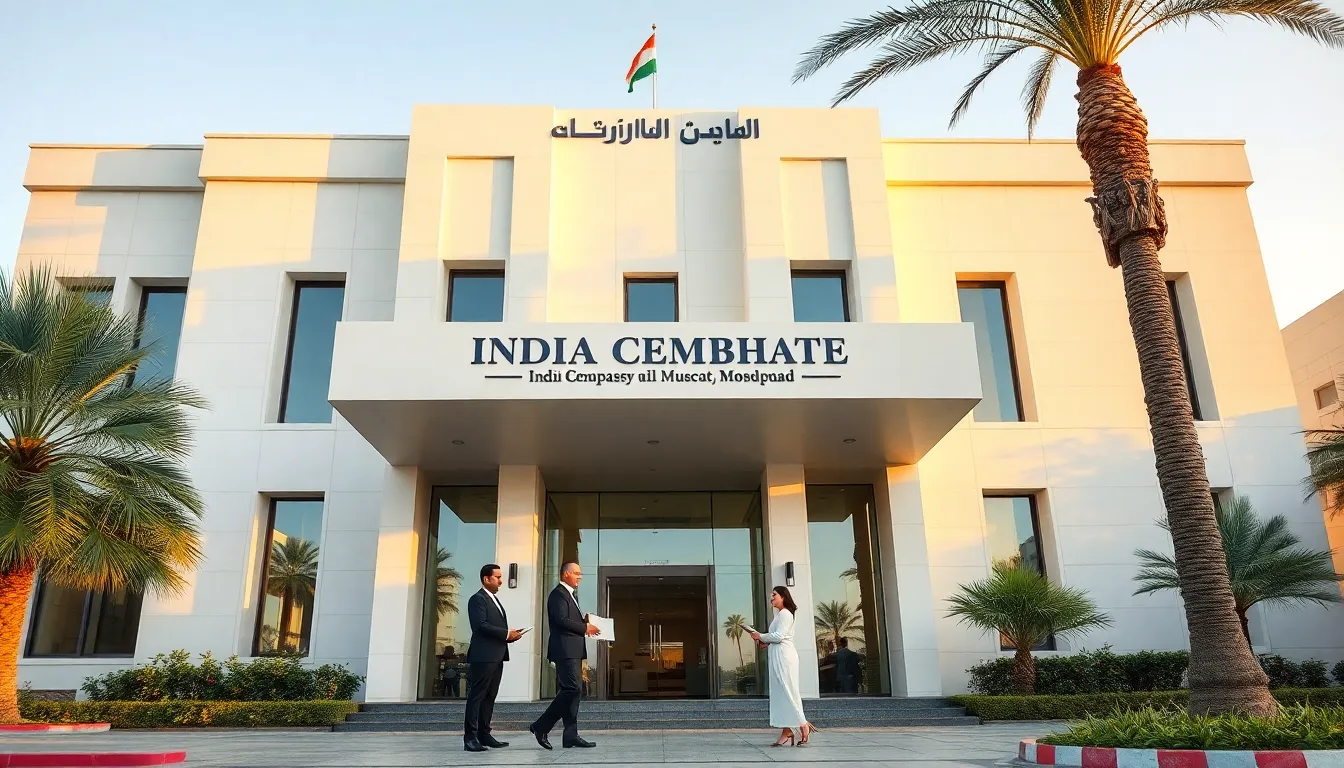
Key Development: The Indian Embassy in Muscat has announced a significant reduction in passport processing time to a single day, a substantial improvement in administrative efficiency that directly impacts the 700,000+ Indian nationals residing in Oman and those considering relocation to the Sultanate.
This operational enhancement represents more than mere bureaucratic convenience—it signals Oman’s strategic alignment with Vision 2040 objectives around improving governance and attracting global talent. When a nation prioritizes expediting essential services for its expatriate population, it demonstrates institutional maturity and investor-friendly governance.
For professionals and families considering long-term settlement in Oman, passport processing speed reflects broader infrastructure quality and administrative responsiveness. Streamlined documentation processes reduce relocation friction and suggest consistent, efficient public-sector operations across other domains—from property registration to business licensing.
From a market perspective, this development addresses a historical pain point in Oman’s expat retention strategy. Faster passport renewal cycles encourage extended stays and strengthen residential stability, particularly among skilled workers in finance, healthcare, and technical sectors. When expatriates face minimal administrative burden, they’re more likely to commit to long-term housing investments rather than maintain transient arrangements.
The announcement also reflects competitive positioning within the GCC. As neighboring emirates streamline their services, Oman’s efficiency gains help level the playing field for talent attraction. For the Indian diaspora specifically—representing the largest expatriate cohort—reduced processing delays enhance Oman’s reputation as a pragmatic, responsive destination.
Investor Insight: Investors should note that administrative efficiency correlates with property market stability and long-term asset appreciation. Nations that optimize bureaucratic processes typically experience stronger institutional credibility, reduced corruption indices, and more predictable regulatory environments. These conditions create favorable conditions for freehold property investments and integrated township developments, where investor confidence depends on transparent, efficient governance.
This single-day processing achievement also underscores Oman’s digital transformation momentum. Efficient passport processing often accompanies broader digital infrastructure improvements—e-governance platforms, online property transactions, and transparent regulatory frameworks that collectively enhance the investment ecosystem.
The development reflects Oman’s understanding that retaining skilled expatriates requires removing administrative barriers. As Vision 2040 emphasizes diversification and sustainable growth, maintaining a stable, satisfied expatriate workforce becomes increasingly central to economic resilience.
Source: timesofoman.com