EDOs Strategic Restructuring: What It Signals for Omans Economic Trajectory
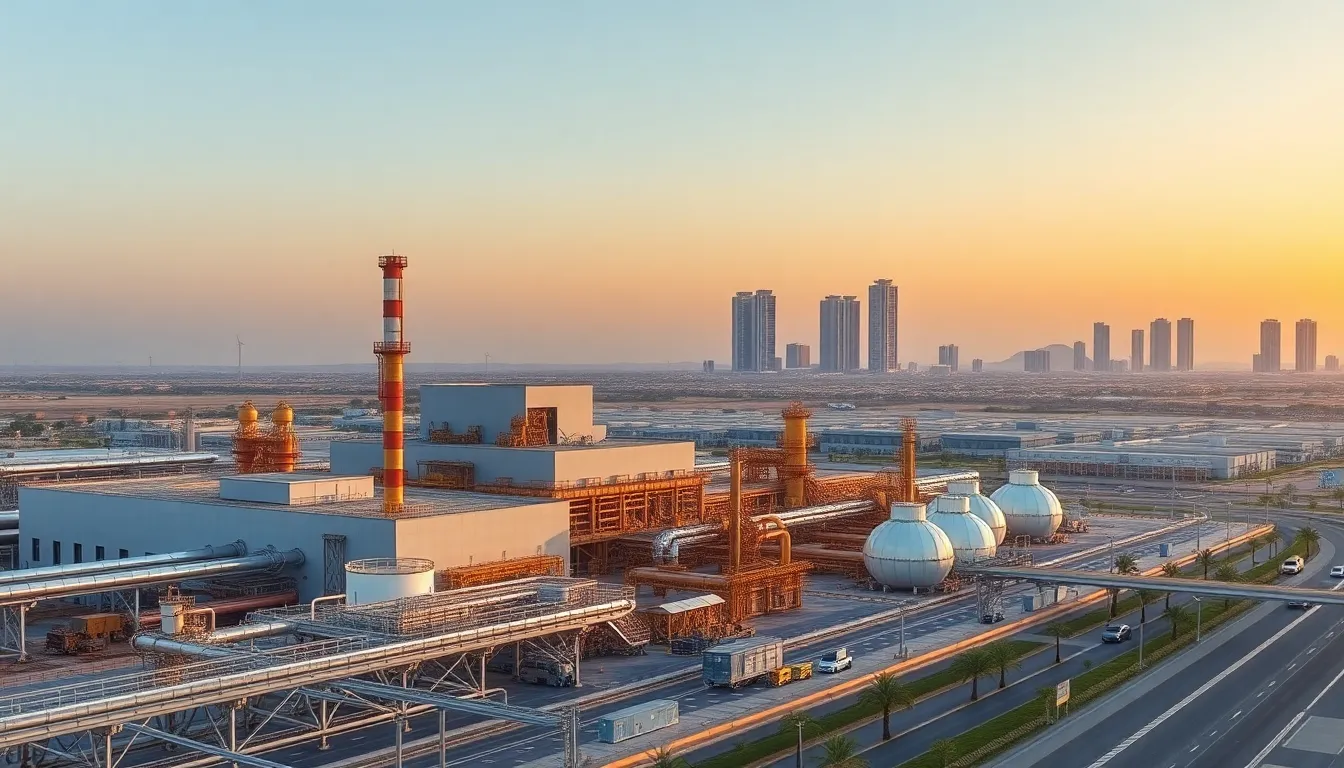
Key Development: Energy Development Oman (EDO) is restructuring its administrative framework by establishing intermediate holding companies across its oil, gas, and industrial divisions. This operational reorganization signals management’s confidence in broader growth opportunities and reflects institutional best practices increasingly common among Gulf energy majors.
The restructuring move carries significant implications for Oman’s macroeconomic outlook. By compartmentalizing operations into distinct holding entities, EDO enhances operational efficiency, improves financial transparency, and positions each business unit for independent growth or potential partnerships. This is particularly relevant given Oman’s strategic pivot toward economic diversification under Vision 2040—a roadmap aimed at reducing hydrocarbon dependency while maximizing sector performance.
From a market perspective, this institutional strengthening demonstrates that Oman’s energy sector remains dynamic and forward-thinking rather than stagnant. International investors often interpret such corporate restructuring as a vote of confidence; management does not undertake costly administrative overhauls unless they believe in sustained demand and operational expansion. For Oman’s broader investment narrative, this suggests energy revenues will likely remain stable, supporting government infrastructure spending and maintaining the fiscal health that underpins the sultanate’s safe-haven reputation.
The timing is strategically significant. As global energy markets stabilize and regional competition intensifies, Oman’s energy majors must operate with surgical precision. EDO’s restructuring improves agility—the ability to respond quickly to market opportunities, forge strategic partnerships, or optimize capital allocation. These capabilities directly influence foreign direct investment flows into Oman and the confidence multinational corporations place in the country’s economic stability.
Investor Insight: Institutional developments like EDO’s restructuring often precede broader foreign investment cycles. When large state-backed enterprises optimize their operations, it typically signals that government confidence in medium-term growth is high, which translates into increased spending on infrastructure, urban development, and economic zones. For investors considering long-term residency or portfolio diversification in Oman, such structural improvements indicate a stable, professionally-managed business environment and predictable policy continuity. Oman’s energy sector strength continues to anchor its fiscal stability—a critical foundation for sustainable real estate value and quality-of-life investments in premium developments.
Source: www.omanobserver.om