Cement Sector Revival Signals Sustained Construction Momentum in Oman
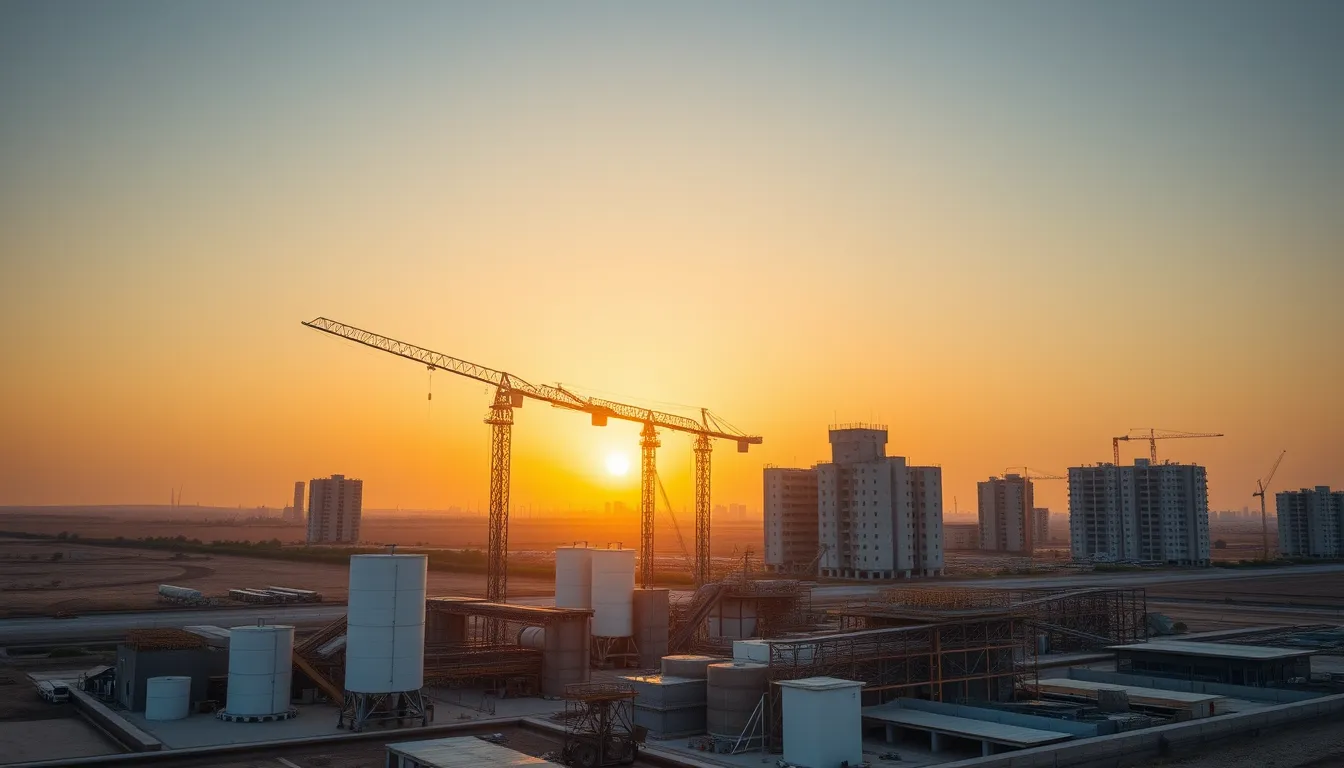
Key Development: Raysut Cement Group, Oman’s largest cement producer, reported RO 2.71 million profit in the first half of 2026, marking a significant recovery supported by increased sales volumes, improved operational efficiency, and strong performance from subsidiaries including Pioneer Cement, Sohar Cement, and Raysut Maldives. This performance arrives amid sustained momentum in Oman’s construction and real estate sectors.
The cement industry serves as a fundamental economic indicator of construction health. When major cement producers return to profitability with rising volumes, it signals tangible demand from both private and public construction projects. For Oman, this recovery is particularly meaningful as it suggests accelerating infrastructure development and real estate activity across multiple regions—from Muscat’s expanding commercial districts to Sohar’s industrial and residential zones.
From a macroeconomic perspective, this development reinforces Oman’s progress toward Vision 2040 diversification goals. The sultanate has committed substantial capital to economic modernization, including urban renewal projects, industrial expansion, and premium residential communities. Cement sector recovery demonstrates that these initiatives are translating into concrete (literally) market activity rather than remaining theoretical policy frameworks.
The geographic distribution of Raysut’s operations—spanning Oman’s mainland and extending to Maldives operations—indicates broad-based demand for construction materials. This geographic resilience matters to investors because it reduces concentration risk and suggests sustained, multi-region development momentum rather than cyclical, single-market swings.
Investor Insight: Investors should note that cement sector profitability often precedes or accompanies property market strength. When construction material producers report healthy financials, it typically reflects robust demand pipelines for residential, commercial, and infrastructural projects. This signals favorable conditions for real estate appreciation and rental yield stability. Additionally, Oman’s political stability, transparent regulatory environment, and Vision 2040 commitment to economic diversification provide the policy certainty that attracts both regional and international capital seeking long-term, defensive assets in the Arabian Peninsula.
The confluence of cement sector recovery, infrastructure investment, and Vision 2040 momentum creates an environment where premium real estate markets—particularly in Muscat’s International Tenders Committee (ITC) zones—benefit from sustained underlying economic activity and foreign investor confidence in Oman’s trajectory.
Source: thearabianstories.com