Al Hamras Tourism Surge Signals Regional Economic Diversification and Expat Appeal
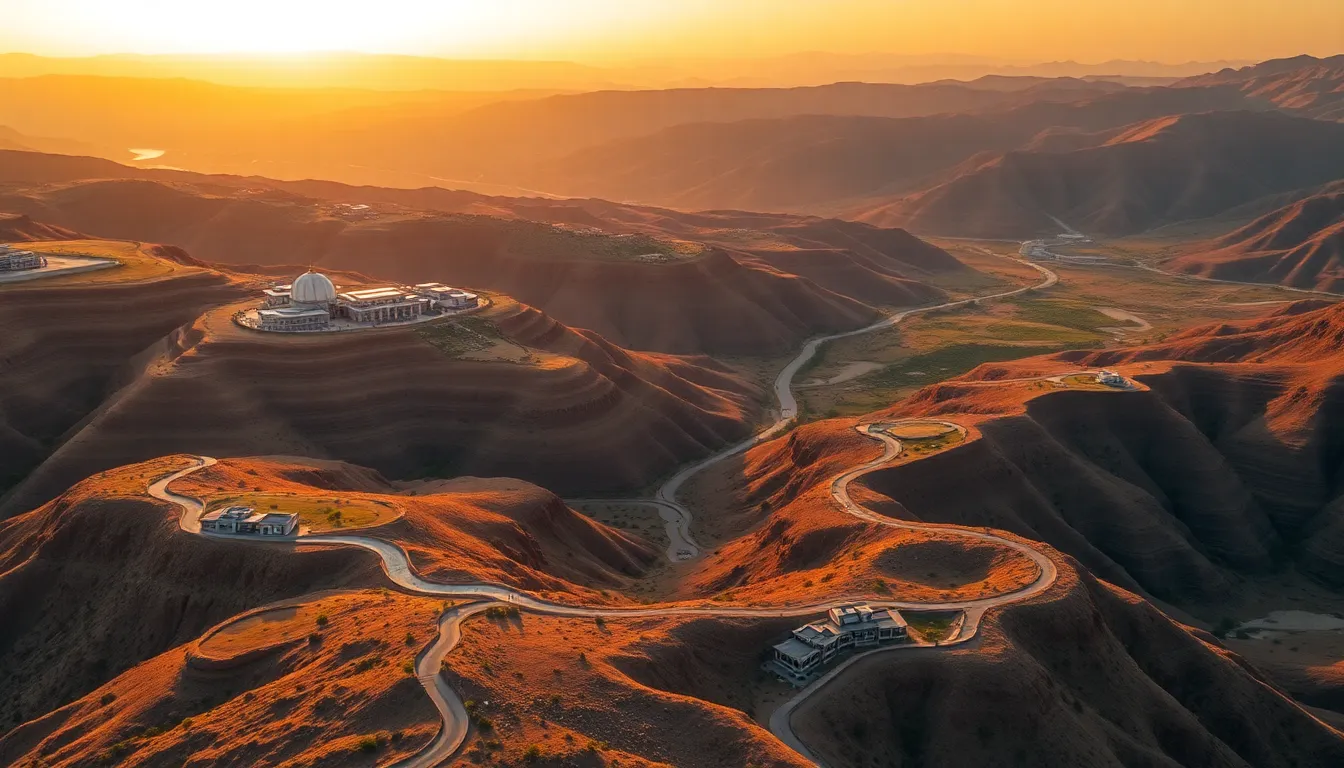
Key Development: Al Hamra’s Eastern Mountain is experiencing accelerating visitor numbers, prompting the Al Dakhiliyah Municipality—under the direction of Eng. Sulaiman bin Hamad Al Sunaidi—to scale infrastructure and visitor facilities. This marks a deliberate shift toward positioning Al Dakhiliyah as a competitive regional tourism destination beyond Muscat’s established appeal.
Tourism infrastructure investments traditionally serve as leading indicators of broader economic confidence and regional development priorities. When government entities commit capital to hospitality facilities, transportation networks, and visitor amenities, they signal long-term confidence in economic stability and sectoral diversification. In Oman’s context, this aligns directly with Vision 2040’s mandate to reduce oil dependency and build sustainable, knowledge-based economies across governorates.
From a market perspective, this development has meaningful implications for regional property values and expat quality-of-life considerations. Enhanced tourism infrastructure typically brings improved road networks, utilities, dining establishments, and recreational facilities—amenities that benefit both tourists and permanent residents. As Al Dakhiliyah becomes more accessible and visitor-friendly, the governorate becomes increasingly attractive to expatriates seeking balanced lifestyle options: proximity to Muscat’s economic opportunities combined with access to Oman’s distinctive mountain and cultural experiences.
The emphasis on both domestic and international visitor attraction is particularly noteworthy. Strong domestic tourism indicates that Omani nationals themselves are investing leisure spending locally—a sign of consumer confidence and purchasing power stability. International visitation, meanwhile, reflects Oman’s growing recognition as a premium destination, which historically precedes foreign interest in residential real estate and lifestyle migration.
Investor Insight: Regional tourism development often creates secondary economic activity: increased service sector employment, hospitality training, small business opportunities, and property rental demand. For those evaluating long-term residence in Oman, growing tourism infrastructure in secondary governorates like Al Dakhiliyah can signal improving amenities and economic resilience without the urban density pressures of central Muscat. This development underscores Oman’s strategic commitment to geographically distributed prosperity—a stabilizing factor for expatriate communities and property value sustainability across multiple regions.
Source: thearabianstories.com