Al Buraimis Trade Hub Expansion: Strategic Gateway to Regional Investment
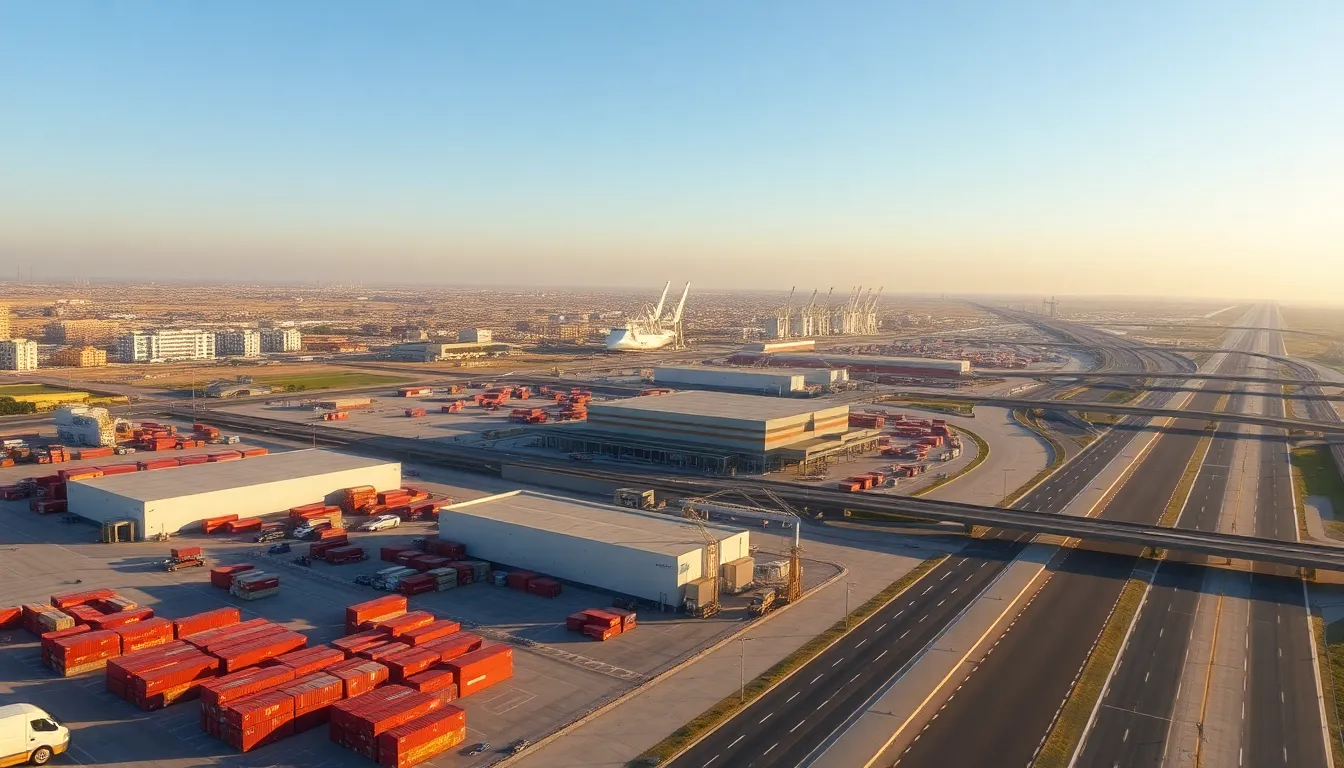
Key Development: Al Buraimi Governorate is reinforcing its role as one of the Sultanate’s primary trade hubs through infrastructure expansion and customs modernization. This positions the region as a vital link in Oman’s broader economic connectivity strategy, particularly for cross-border commerce with the UAE and regional markets.
Al Buraimi’s geographic advantage—situated at the intersection of Oman and UAE borders—has long made it strategically significant. However, recent infrastructure investments and administrative streamlining represent a deliberate policy shift to maximize this potential. Enhanced trade facilities attract regional businesses seeking efficient logistics operations, creating secondary economic clusters beyond traditional commercial centers.
From a macroeconomic perspective, this development aligns with Oman’s Vision 2040 objectives to diversify revenue streams beyond oil and gas. By strengthening non-Muscat trade gateways, the Sultanate reduces economic concentration risk and distributes growth opportunities across governorates. This geographical economic rebalancing creates emerging investment corridors.
For foreign investors and expatriate professionals, such infrastructure developments indicate government commitment to multi-hub economic models. Rather than centralizing all opportunities in Muscat, Oman is building secondary urban centers with genuine commercial viability. This reduces urban congestion, improves quality of life metrics, and creates residential demand in previously overlooked regions.
Al Buraimi’s expansion also signals improved stability and investor confidence in northern Oman. Trade hub designation typically precedes premium lifestyle infrastructure—hospitality services, dining, retail, and residential communities that cater to business professionals and their families. These secondary effects often attract premium real estate development.
Investor Insight: This regional trade hub expansion demonstrates Oman’s strategic intent to create multiple economic centers rather than a single-city economy. Investors should note that infrastructure investments in gateway regions typically precede residential and commercial property appreciation. Al Buraimi’s reinforced trade position suggests improving long-term demand for both commercial and lifestyle properties, positioning it as an emerging secondary market with authentic economic fundamentals—not speculative development.
The modernization of customs and trade operations particularly attracts businesses requiring efficient regional logistics. These operations require talent pools, management-level expatriates, and their families—creating authentic residential demand that sustains property values over decades, not cyclical market bubbles.
Source: www.omanobserver.om