Omans Hydrogen Corridor: A Game-Changer for Economic Diversification
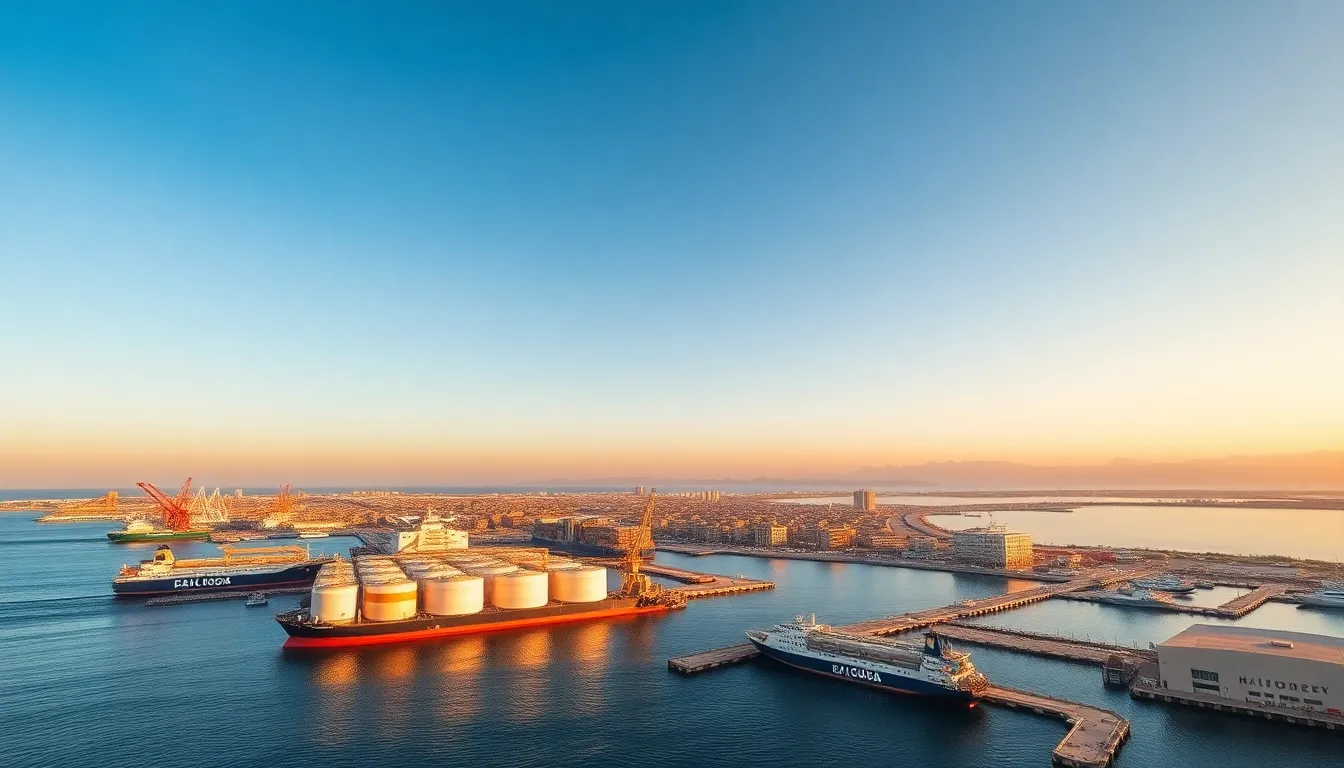
Key Development: Oman is advancing an ambitious Liquid Hydrogen Corridor linking the Port of Duqm directly to the Port of Amsterdam in the Netherlands. This initiative marks a critical step in positioning the sultanate as a cornerstone of Europe’s clean energy transition and reflects alignment with Vision 2040 objectives centered on economic diversification beyond traditional hydrocarbon dependency.
The Duqm corridor initiative signals Oman’s strategic pivot toward renewable and green hydrogen production—sectors poised to dominate global energy markets for decades. By establishing direct maritime infrastructure connecting Omani production facilities to European demand centers, the sultanate is securing long-term economic partnerships that transcend commodity price volatility. This development enhances macroeconomic stability, a foundational pillar for any emerging market seeking to attract quality foreign investment.
From a market perspective, hydrogen infrastructure projects of this scale generate multiplier effects across regional economies. Port expansion at Duqm, supporting industrial complexes, transportation networks, and skilled workforce development all drive localized growth. For expatriates and international investors, such infrastructure investments indicate a government committed to sustainable, knowledge-based economic expansion rather than resource depletion—a credential that attracts long-term institutional capital and high-net-worth individuals seeking stability.
The corridor also enhances Oman’s geopolitical relevance. As Europe accelerates its decarbonization agenda, nations capable of supplying clean hydrogen gain significant diplomatic and economic leverage. This positions Oman as indispensable to European energy security, translating to consistent foreign direct investment, technology transfer, and diplomatic engagement that fortify the investment environment.
Investor Insight: Investors should note that strategic infrastructure projects like the hydrogen corridor typically precede residential and commercial real estate appreciation in proximity zones. Improved connectivity, workforce migration, and economic activity concentration often drive premium property valuations in established coastal communities and emerging development zones. The momentum behind Vision 2040 initiatives demonstrates that Oman’s government remains committed to structural economic transformation—a reassuring signal for those evaluating the sultanate as a long-term wealth preservation and lifestyle destination in the Middle East.
Source: www.omanobserver.om