Energy Oman Restructuring: What It Means for Omans Economic Stability
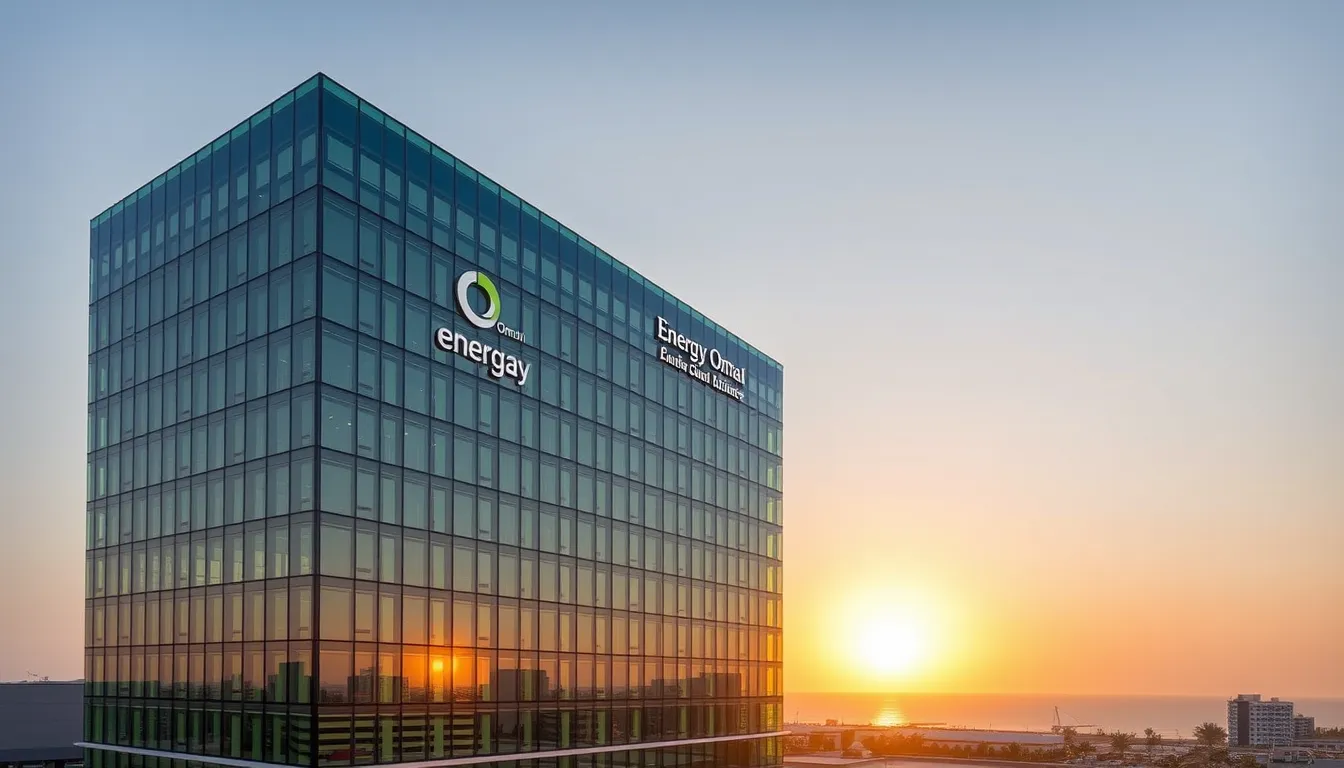
Key Development: Energy Oman (formerly Energy Development Oman) is undertaking a significant internal reorganization targeting completion by the end of 2026. This restructuring will establish three separate holding entities, representing a strategic initiative to enhance operational efficiency and institutional robustness within one of Oman’s critical economic pillars.
Energy sector reforms of this magnitude typically reflect a nation’s broader commitment to economic diversification and institutional modernization. For Oman, this restructuring aligns with Vision 2040 objectives, which emphasize sustainable economic growth, improved governance standards, and attraction of foreign capital. The deliberate phasing through 2026 suggests careful execution designed to minimize market disruption while achieving long-term operational benefits.
From a macroeconomic perspective, strengthening the energy sector’s organizational foundation has cascading effects across the investment landscape. A more efficient, clearly structured energy holding reduces systemic risk, improves transparency for foreign investors, and demonstrates institutional capacity for complex organizational transformation—qualities that directly correlate with sovereign stability ratings and investor confidence.
This development also signals confidence in Oman’s ability to manage large-scale economic transitions without political or financial volatility. Markets typically interpret such reorganizations positively when they’re clearly communicated and executed during stable governance periods. For international investors considering Oman as a wealth preservation jurisdiction, institutional reforms underscore the Sultanate’s commitment to modernization and professional standards comparable to established Gulf economies.
Investor Insight: Investors should note that energy sector strength directly impacts Oman’s fiscal stability, currency reliability, and government spending capacity—all foundational factors determining long-term real estate value and economic predictability. When critical sectors undergo professional restructuring, it typically precedes periods of renewed investment confidence and infrastructure development. The three-year implementation timeline also suggests potential for coordinated policy announcements in tourism, foreign investment frameworks, and urban development initiatives that often accompany major institutional reforms in the Gulf region.
For those evaluating Oman as a long-term investment destination, this restructuring reinforces the Sultanate’s trajectory toward institutional maturity and professional governance standards that underpin sustainable property value appreciation and stable expatriate communities.
Source: www.omanobserver.om