Omans Energy Transition: Strategic Funding Shift Signals Long-Term Economic Resilience
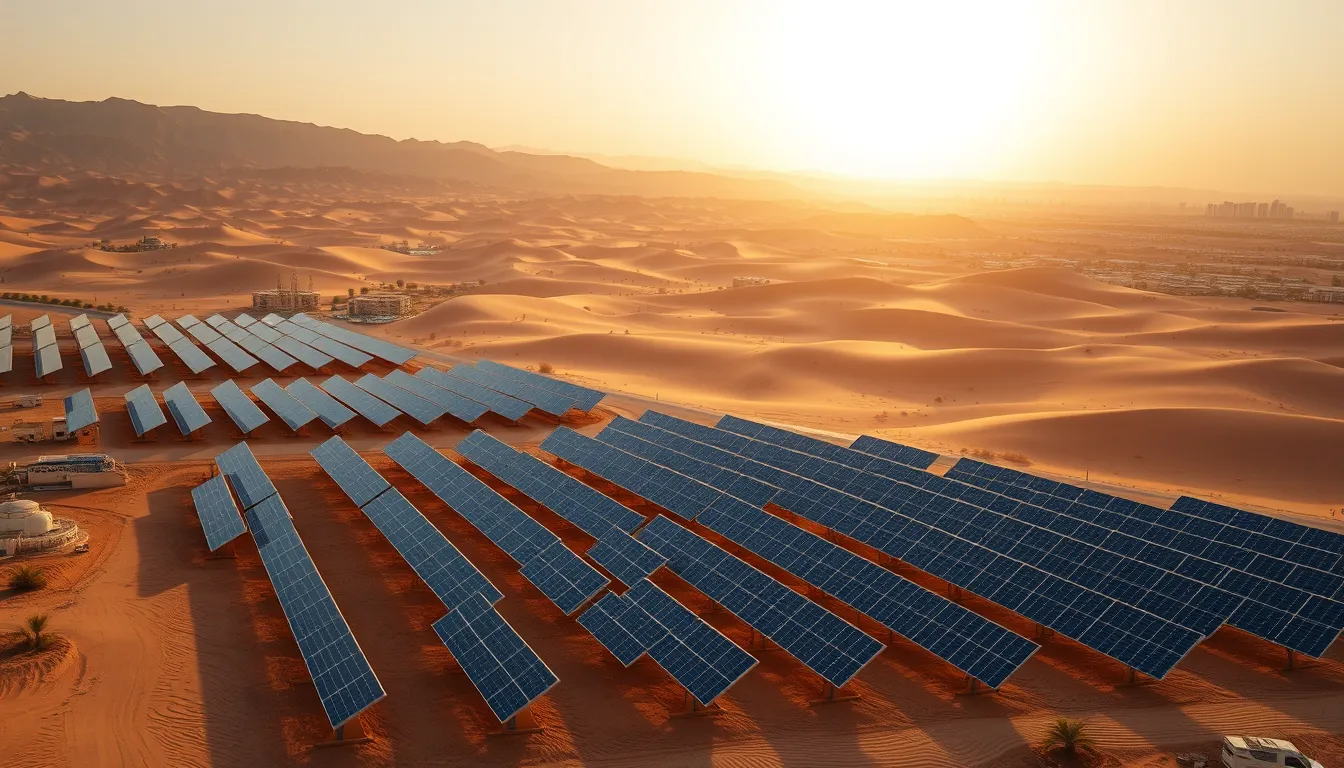
Key Development: Oman’s renewable energy and electricity infrastructure modernization is reaching a critical funding inflection point. Senior officials have signaled that achieving the Sultanate’s ambitious clean energy targets requires not only capital infusion but also enhanced project structuring to meet international investment standards. This strategic repositioning reflects Oman’s intentional shift toward economic diversification and energy sector resilience.
The renewable energy sector has emerged as a cornerstone of Oman’s Vision 2040 roadmap, with projects spanning solar, wind, and hybrid installations across the sultanate. However, attracting the scale of foreign direct investment required—particularly from institutional funds and international development banks—demands more sophisticated financial instruments and governance frameworks. This isn’t a setback; rather, it signals Oman’s maturation as an investment destination willing to adopt global best practices.
From a macroeconomic perspective, this energy transition directly correlates with infrastructure quality-of-life improvements for residents and expatriates. Modernized electricity grids, renewable capacity, and energy security reduce operational costs for businesses and improve service reliability—factors that premium property investors carefully evaluate. The Sultanate’s commitment to sustainable infrastructure also enhances its international standing, attracting ESG-focused capital and multinational companies seeking stable, forward-thinking regional hubs.
The emphasis on “broader funding sources” suggests Oman is pursuing public-private partnerships, green bonds, and Islamic finance structures—mechanisms that broaden the investor base beyond traditional sovereign borrowing. This approach strengthens fiscal sustainability and reduces long-term debt pressure, supporting currency stability and purchasing power for both local and foreign residents.
Investor Insight: Energy infrastructure investments typically precede residential and commercial real estate appreciation. Markets that successfully execute diversified funding strategies for critical infrastructure often experience sustained economic stability, improved foreign investor sentiment, and increased expatriate inflows. Oman’s willingness to restructure and professionalize its energy finance framework demonstrates institutional pragmatism—a hallmark of markets with durable investment returns. The Sultanate’s focus on Vision 2040 alignment, coupled with infrastructure modernization, reinforces the narrative of long-term economic predictability that sophisticated investors value when considering regional expansion or residency commitments.
Source: www.omanobserver.om