Salalah Port Transition: What 00M Equipment Decision Means for Omans Economic Outlook
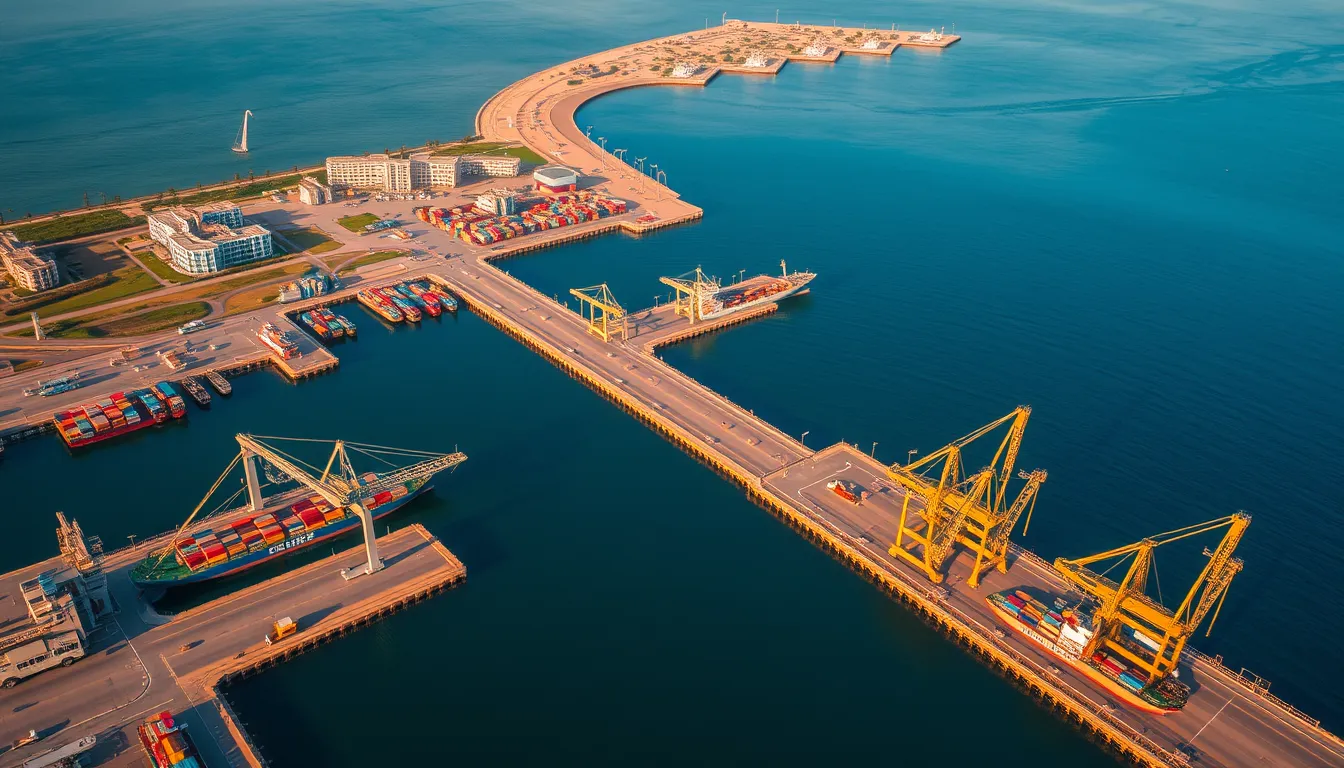
Key Development: Oman’s decision not to extend the operating concession for Salalah Port Services Company beyond November 1, 2028, has placed approximately $200 million in leased equipment into focus. This contractual transition represents a critical juncture in how the sultanate manages one of its most strategically important maritime assets and raises questions about the timeline and structure of the port’s future operations.
Salalah Port is among Oman’s most vital economic infrastructure projects, serving as a regional hub for trade and serving as a critical node in international shipping routes. The port’s operational efficiency directly impacts Oman’s position as a competitive logistics center in the Arabian Peninsula. The non-renewal decision suggests the government is evaluating alternative operational models—whether through direct state management, a new concessionaire, or revised partnership structures—to optimize returns and align operations with Vision 2040 priorities.
The $200 million equipment valuation underscores the capital-intensive nature of modern port infrastructure. How Oman addresses the treatment of these assets—whether through asset sales, equipment relocation, or integration into a successor arrangement—will signal the government’s commitment to seamless operational continuity. A smooth transition would reinforce investor confidence in Oman’s ability to manage major infrastructure contracts professionally and predictably.
From a macroeconomic perspective, port efficiency directly supports Oman’s trade competitiveness and foreign direct investment attractiveness. Investors in Oman’s premium real estate and lifestyle sectors depend on a robust, modern logistics infrastructure to support both business operations and quality-of-life amenities. Any disruption to port services could have secondary effects on Muscat and coastal region economic momentum.
Investor Insight: This development demonstrates Oman’s proactive approach to evaluating long-term concession arrangements and optimizing strategic assets. While the equipment transition requires monitoring through 2028, the government’s clear timeline provides transparency—a hallmark of Oman’s governance approach that appeals to discerning investors. The port’s continued strategic importance suggests substantial ongoing investment in Dhofar’s infrastructure ecosystem, potentially benefiting regional property values and business opportunities for expatriate residents and investors seeking stable, long-term positions in the sultanate’s growing economy.
Source: www.omanobserver.om