OMRANs RO122M Dual-Project Investment Signals Omans Real Estate Momentum
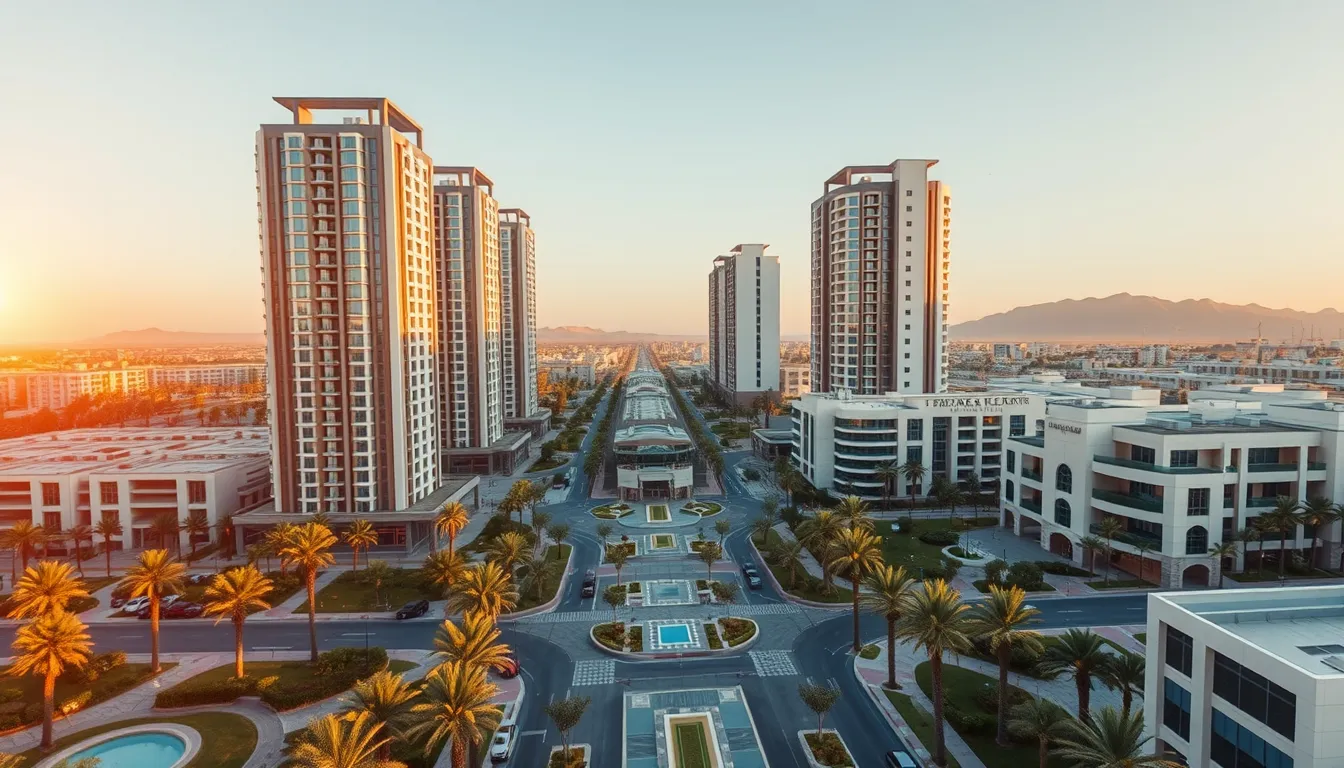
Key Development: Oman Tourism Development Company (OMRAN Group) has signed three strategic development agreements valued at RO122 million with Hassan Allam Holding through its real estate arm Grova Development. The dual-project initiative spans Madinat al Irfan and Yiti, two strategically positioned developments within Oman’s broader urban modernization agenda.
This agreement represents a significant capital commitment to mixed-use communities that blend residential, commercial, and hospitality components. Such large-scale partnerships between government-backed entities and established regional developers typically indicate confidence in market fundamentals and regulatory stability—critical factors for foreign investors evaluating long-term asset security in the Middle East.
Madinat al Irfan and Yiti are positioned within Oman’s deliberate strategy to create sustainable, self-contained communities that reduce pressure on central Muscat while maintaining proximity to economic hubs. These developments align with Vision 2040 objectives to diversify the economy beyond hydrocarbon dependence and enhance livability for both residents and expatriates.
From an infrastructure perspective, projects of this scale typically drive ancillary investments in transportation networks, utilities, and service sectors. Hassan Allam Holding’s involvement—a developer with significant track record across the GCC—suggests professional execution standards and adherence to international construction timelines. This reduces execution risk, a key concern for foreign buyers evaluating property in emerging markets.
Investor Insight: This development signals several encouraging trends for the premium residential segment. First, the continued flow of foreign direct investment into Oman’s real estate sector reflects international confidence in the sultanate’s political stability and regulatory environment. Second, the emphasis on mixed-use, livable communities rather than speculative developments suggests a maturing market focused on sustainable demand drivers—tourism, expatriate workforce retention, and quality-of-life amenities.
For prospective residents and investors, RO122 million in committed capital typically translates to improved neighborhood infrastructure, retail options, hospitality services, and community facilities. These enhancements directly strengthen property valuations and rental yields in adjacent premium segments. Investors should note that government-coordinated development projects often establish positive precedent for regulatory transparency and project delivery, factors that reinforce confidence in long-term asset performance.
Oman’s measured approach to real estate growth—emphasizing quality over speculative volume—continues to differentiate the sultanate from more volatile regional markets.
Source: www.omanobserver.om