Oman-Italy Partnership: Strategic Investment Corridor Opens for Premium Markets
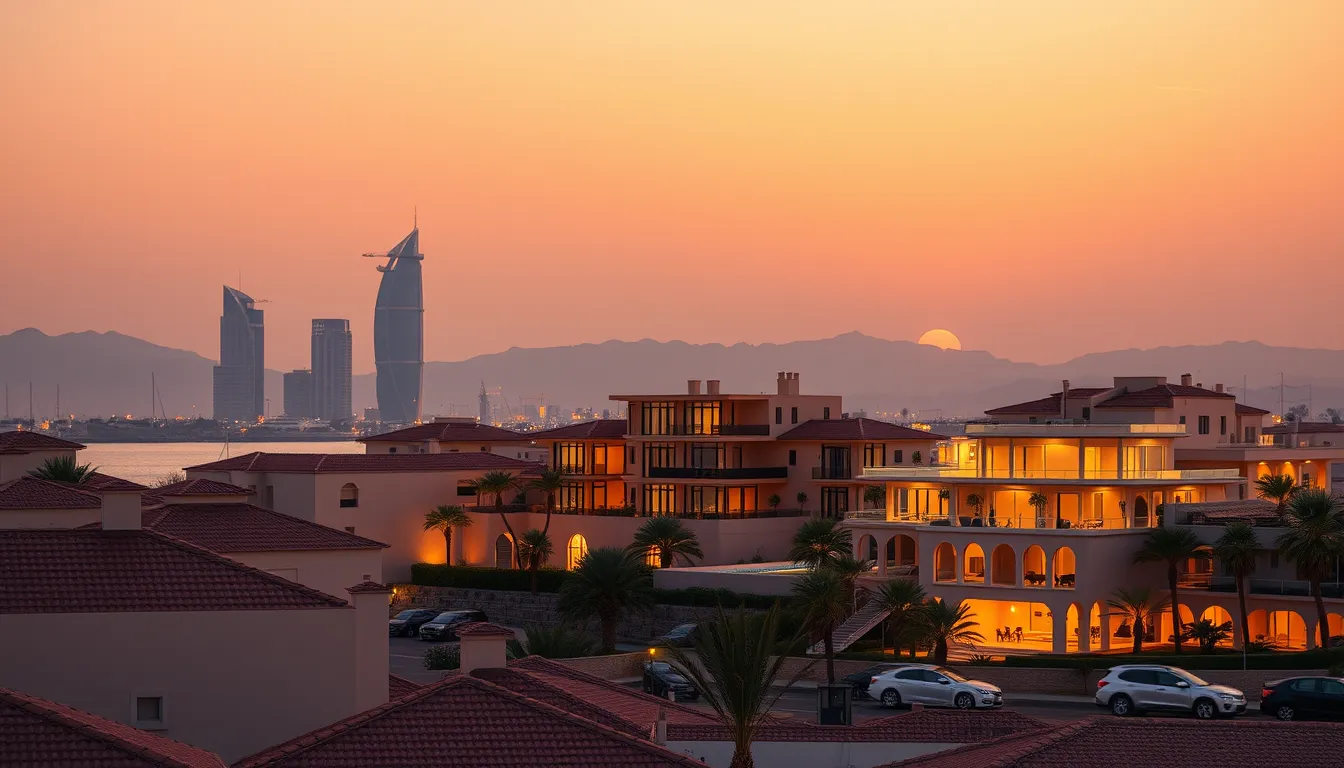
Key Development: Salim bin Said Al Busaidi, Oman’s Minister of Heritage and Tourism, embarked on an official visit to Florence, Italy, to explore avenues for cooperation and investment between the two nations. This diplomatic mission underscores Oman’s intentional effort to strengthen ties with European economies and position itself as a gateway for international capital flows into the Arabian Peninsula.
The timing of this engagement is significant. Italy, as Europe’s third-largest economy and a cultural powerhouse, represents both a source of institutional investment and a demographic of affluent individuals seeking alternative residency and investment opportunities. For Oman, such high-level ministerial visits demonstrate a structured approach to economic diversification—a cornerstone of Vision 2040.
Tourism and heritage-focused dialogue between Oman and Italy carries specific implications for market expansion. Italy’s tourism sector, which attracts approximately 90 million visitors annually, provides a template for developing Oman’s own premium tourism infrastructure. Beyond leisure, such partnerships typically unlock investment in hospitality, real estate development, and integrated communities that cater to international standards and affluent demographics.
From a macroeconomic perspective, this bilateral exploration signals Oman’s commitment to reducing dependency on hydrocarbon revenues through strategic partnerships. European investors increasingly seek stable, governance-forward jurisdictions with clear residency frameworks and transparent regulatory environments—qualities Oman has progressively refined through its Integrated Tourism Complexes (ITCs) and investment-linked residency programs.
The heritage tourism angle is particularly relevant. Heritage-focused investments often catalyze premium real estate developments in historically significant areas and newly developed districts designed to accommodate high-income expat communities. Florence’s model of blending cultural preservation with modern luxury living offers Oman valuable insights for its own urban development strategy.
Investor Insight: This development signals Oman’s broadening appeal beyond traditional Middle Eastern investor networks. European partnership initiatives typically precede regulatory refinements in visa policies, investment incentives, and residency-by-investment programs. Investors should note that such diplomatic engagement often foreshadows market-opening announcements within 12–24 months. The emphasis on tourism and heritage suggests upcoming focus on premium residential developments in Muscat’s heritage districts and coastal integrated communities—sectors that attract European capital seeking stable, appreciating asset classes. For those monitoring Oman’s investment landscape, Italian-Omani cooperation represents a bellwether indicator of the Sultanate’s long-term positioning as a premium destination for global wealth.
Source: timesofoman.com