Salalahs Tourism Surge Signals Regional Economic Diversification
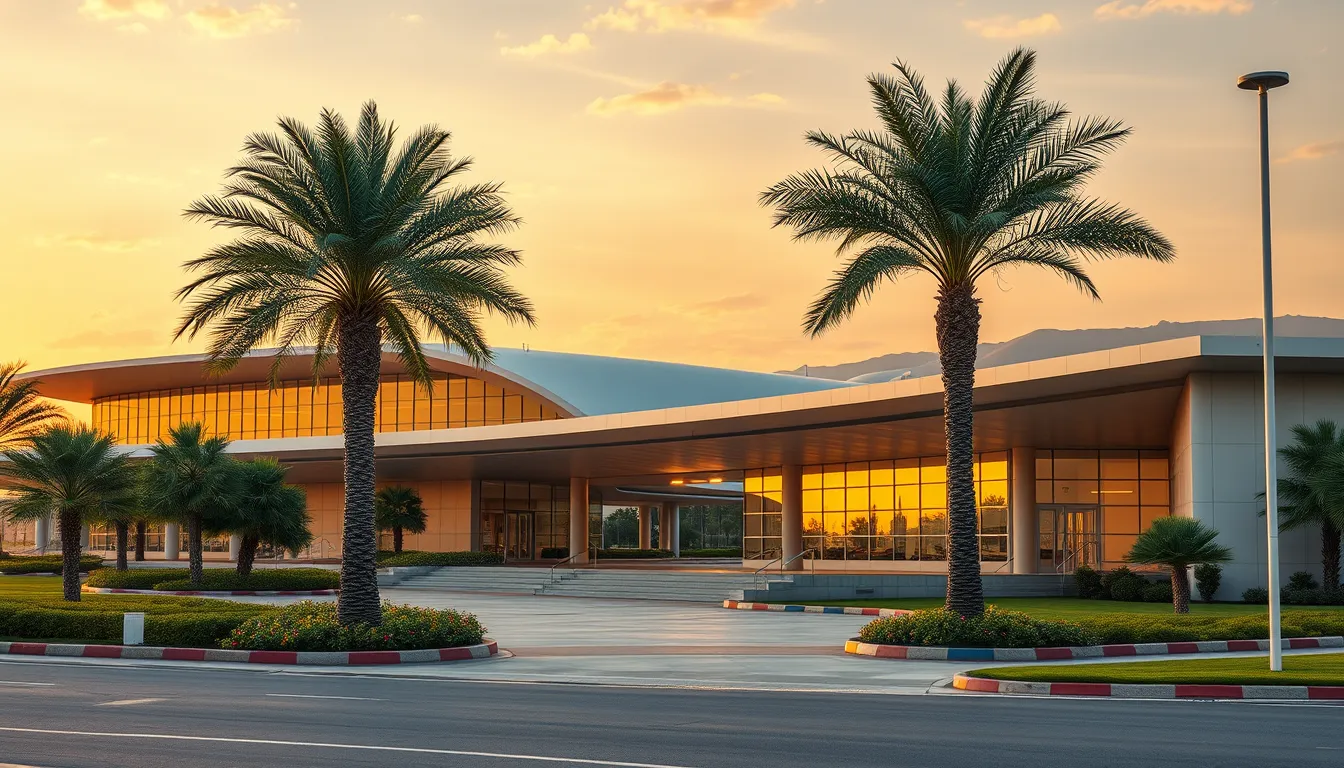
Key Development: Salalah Airport processed 686,808 passengers during the 2026 Khareef Dhofar season, demonstrating the seasonal tourism corridor’s expanding capacity and economic significance. This traffic volume reflects both improved airport infrastructure and growing international recognition of Oman’s unique cultural and natural attractions.
This development signals a deliberate shift in Oman’s economic strategy toward geographic diversification. Rather than concentrating tourism infrastructure investment exclusively in Muscat, the sultanate is strategically developing secondary hubs that distribute visitor flows and economic benefits across regions. For foreign investors and residency-seekers, this geographic expansion creates meaningful implications.
The Khareef season represents a distinctive competitive advantage—monsoon rains transform Salalah’s landscape into a lush destination unavailable elsewhere in the Arabian Peninsula during summer months. This natural phenomenon, combined with upgraded airport infrastructure, positions Dhofar as a high-value market segment for hospitality, residential, and mixed-use developments. From a market perspective, infrastructure investments of this scale typically precede significant real estate appreciation in emerging secondary markets.
Enhanced airport capacity also signals improved connectivity for remote workers, digital nomads, and international business professionals. Reliable seasonal and year-round flight access encourages longer-term residency commitments among affluent expats who previously viewed Dhofar as exclusively tourist-oriented. This behavioral shift matters—it transforms seasonal visitor patterns into stable resident populations that sustain premium hospitality, retail, and service sectors.
Investors should note that Vision 2040’s tourism targets explicitly prioritize sustainable regional growth. The government’s continued investment in Salalah Airport infrastructure demonstrates commitment to these long-term objectives. Secondary markets with improving transportation links, growing visitor volumes, and government backing typically experience property value appreciation within 5-10 year cycles as international awareness grows and expatriate communities establish themselves.
Investor Insight: Salalah’s infrastructure maturation reflects Oman’s broader economic maturation beyond oil dependency. Markets historically experience property value inflection points when transportation infrastructure reaches critical thresholds—precisely where Salalah currently positions itself. For investors evaluating opportunities beyond Muscat’s saturated premium segments, Dhofar’s combination of natural assets, improving connectivity, and government support warrants serious analytical consideration within a diversified Oman real estate strategy.
Source: www.omanobserver.om