Suhar Airport Expansion: A Strategic Gateway to Regional Growth
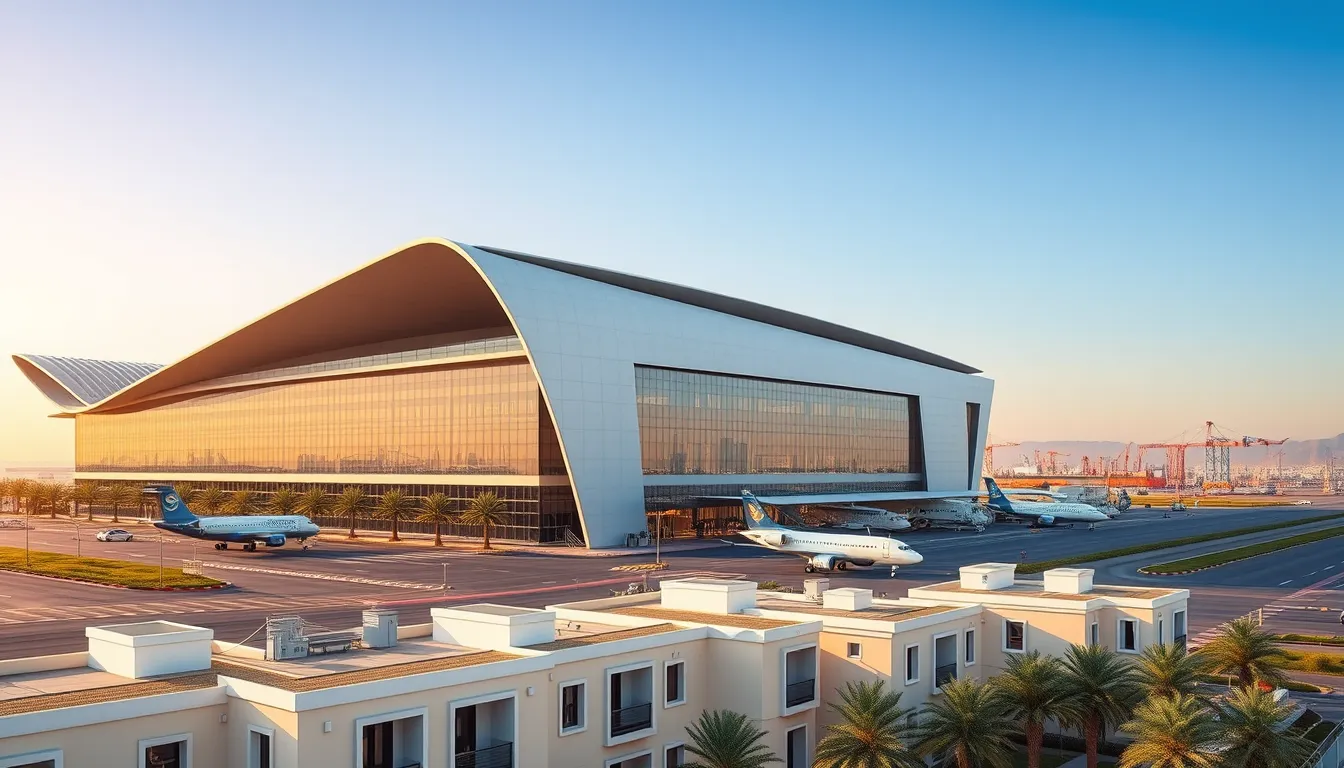
Key Development: Oman’s Ministry of Transport, Communications and Information Technology has announced plans for a new passenger terminal at Suhar Airport, paired with expansion of regional flight routes to Dammam, Gwadar, and southern Iran. This initiative aims to reduce dependency on Muscat’s international hub and establish Suhar as a viable independent aviation gateway.
From a macroeconomic perspective, this development reflects a strategic maturation of Oman’s infrastructure vision. Rather than concentrating all aviation traffic through Muscat International Airport, the sultanate is pursuing a distributed hub model that leverages Suhar’s geographic and industrial advantages. Located approximately 140 kilometers northwest of Muscat, Suhar hosts a thriving industrial estate and port facility, making it a natural logistics nexus for the GCC and broader Indian Ocean region.
The planned regional routes—particularly to Dammam (Saudi Arabia’s eastern province) and Gwadar (Pakistan’s strategic deepwater port)—position Suhar as a competitive alternative for business travelers and commercial operations. Direct connectivity eliminates transit friction, reducing travel time and operational costs for enterprises operating across these hubs. This matters significantly for foreign professionals and investors evaluating Oman’s business ecosystem and ease of mobility.
The expansion also signals confidence in Oman’s medium-term political and economic stability. Airport terminal construction requires sustained capital commitment, regulatory certainty, and multi-year execution planning—investments governments only pursue when internal forecasts support long-term growth trajectories. From a risk-assessment perspective, this public capital allocation demonstrates institutional commitment to diversification beyond oil-dependent revenue models.
Investor Insight: Investors should note that enhanced air connectivity typically precedes residential and commercial real estate value appreciation in emerging markets. Suhar’s industrial base, combined with improved regional accessibility, may catalyze demand for executive housing, hospitality infrastructure, and mixed-use developments in the northern corridor. Properties positioned near Suhar—or strategically located in Muscat with convenient airport access—become increasingly attractive to internationally mobile professionals and business owners.
Moreover, this infrastructure expansion reinforces Oman’s positioning as a stable, forward-thinking investment destination. The sultanate’s incremental but consistent improvement of aviation, logistics, and connectivity infrastructure reflects serious Vision 2040 implementation, bolstering confidence among long-term investors considering residency and property acquisitions in the region.
Source: www.gulf-insider.com