Omans Tourism Boom Signals Strong Economic Momentum for 2024
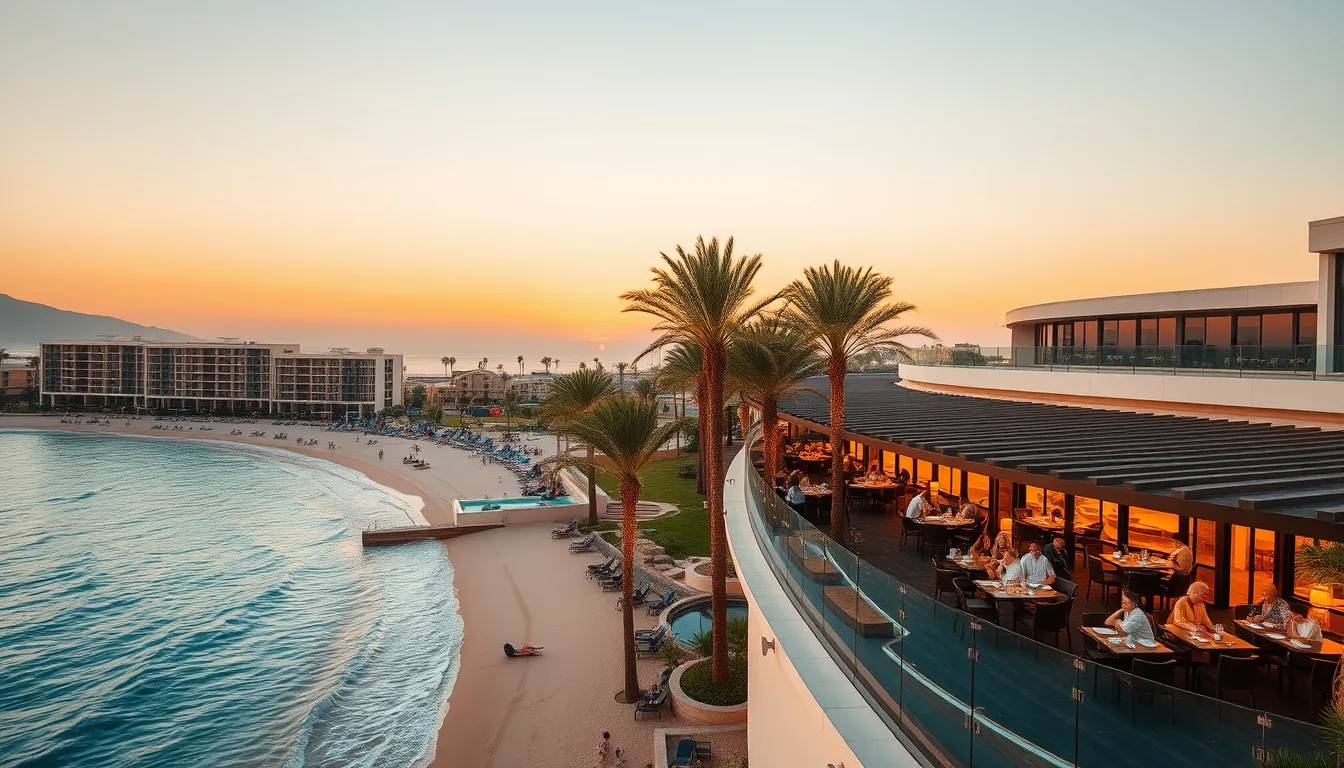
Key Development: Oman’s tourism sector has achieved a significant milestone, attracting 4 million visitors with total spending exceeding RO 1 billion, according to data from the National Centre for Statistics and Information. The sector shows healthy engagement metrics: visitors average 6.5 nights per stay, with per-capita spending reaching approximately RO 256. Hotel occupancy has also surged, with guest numbers exceeding 5 million across the country’s hospitality infrastructure.
This performance reflects a maturing tourism economy that extends far beyond seasonal peaks. The consistency of visitor length-of-stay (6.5 nights) suggests Oman is successfully positioning itself as a destination for meaningful cultural and leisure experiences, rather than transient weekend getaways. This distinction matters significantly for economic forecasting and infrastructure planning.
From a macroeconomic perspective, tourism diversification remains central to Oman’s Vision 2040 strategy. As the sultanate reduces oil-sector dependency, tourism-driven spending injects direct capital into hospitality, food services, transportation, and retail sectors. A RO 1 billion annual tourism spend creates multiplier effects throughout local economies, particularly in Muscat, Salalah, and emerging coastal destinations.
The hotel sector’s expansion—evidenced by guest numbers exceeding 5 million—reflects investor confidence in Oman’s hospitality infrastructure. This growth attracts both regional and international hospitality operators, signaling broader confidence in the country’s investment climate and regulatory stability. For foreign investors, stable tourism economies typically correlate with stronger property values, improved rental yields, and enhanced quality-of-life amenities in premium residential zones.
Investor Insight: Investors should note that tourism growth directly influences residential real estate demand in key markets. Expats relocating for hospitality management, tourism consulting, and service-sector roles drive demand for premium freehold properties in Muscat’s central business districts and waterfront developments. Additionally, tourism infrastructure improvements—airport connectivity, road networks, and commercial facilities—enhance lifestyle quality for long-term residents.
The sustainability of these tourism metrics indicates Oman is building a resilient, diversified economy. Countries with strong tourism sectors typically demonstrate political stability, consistent regulatory frameworks, and robust security—all critical factors for high-net-worth individuals considering long-term residential relocation or property investment in the Middle East.
Source: thearabianstories.com