Omans Port Modernization: What Frozen Bulk Cargo Growth Means for Investors
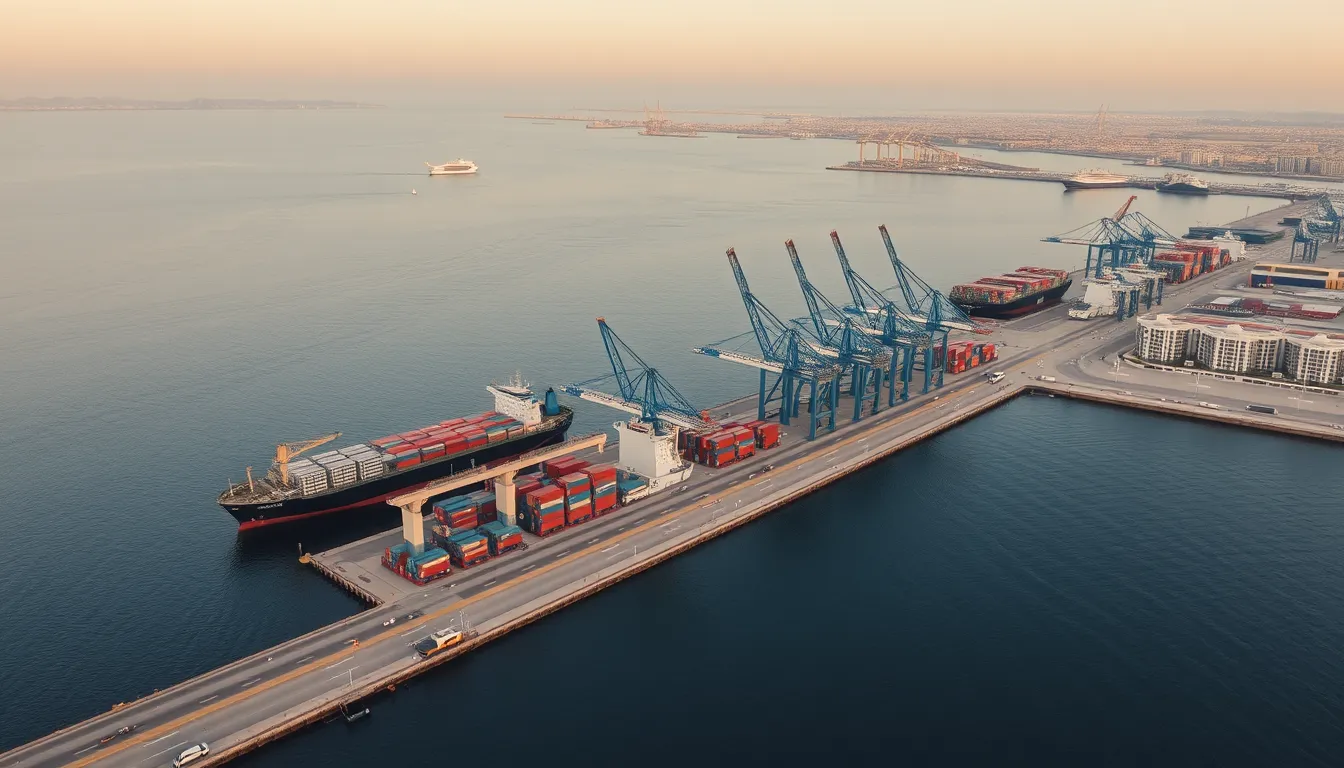
Key Development: Gulf Warehousing Company, a leading regional logistics operator, has begun facilitating frozen bulk vessel operations at Oman’s ports. This milestone represents the sultanate’s growing capacity to handle specialized cargo categories—a critical step in diversifying revenue streams beyond traditional oil and gas sectors.
Oman’s port infrastructure has undergone substantial modernization over the past decade, positioning the nation as a preferred alternative to congested Gulf hubs. The introduction of frozen bulk cargo operations—typically comprising agricultural products, perishables, and processed foods destined for Asian and African markets—demonstrates that Oman’s facilities now meet international standards for temperature-controlled, large-scale logistics. This capability directly supports Vision 2040’s objective to reduce economic dependence on hydrocarbon exports.
From a macroeconomic perspective, this expansion reflects growing confidence among international logistics operators in Oman’s port reliability and regulatory environment. Foreign companies investing in specialized infrastructure typically conduct extensive feasibility studies before committing capital. Their presence signals stability, efficient customs operations, and competitive advantages over neighboring ports. For expat communities and foreign investors, such infrastructure developments translate to improved supply chains, lower goods costs, and broader employment opportunities in logistics, warehousing, and allied services.
The frozen bulk sector also creates secondary economic benefits. Modern cold-chain logistics require skilled technicians, warehouse managers, and administrative personnel—roles typically filled by educated expatriates earning premium salaries. These professionals and their families form the core demand for quality residential properties in premium locations near Muscat’s business districts and coastal areas.
Investor Insight: Investors should note that port modernization and diversified cargo operations strengthen Oman’s positioning as a resilient, non-cyclical economy. While oil price volatility affects government revenues, robust logistics and trade infrastructure create stable, recurring economic activity. This reduces systemic risk for those considering long-term residency or property investment in the sultanate. Additionally, growing international business activity in Muscat and surrounding regions increases demand for freehold residential properties from executives, entrepreneurs, and affluent professionals relocating to establish regional operations.
Oman’s strategic location on the Arabian Sea, combined with improving port capabilities and business-friendly policies, positions the nation as an increasingly attractive hub for Gulf-Asia trade corridors—a trend that sustains both economic growth and residential real estate fundamentals.
Source: www.omanobserver.om