Water Infrastructure: The Hidden Driver of Omans Real Estate Expansion
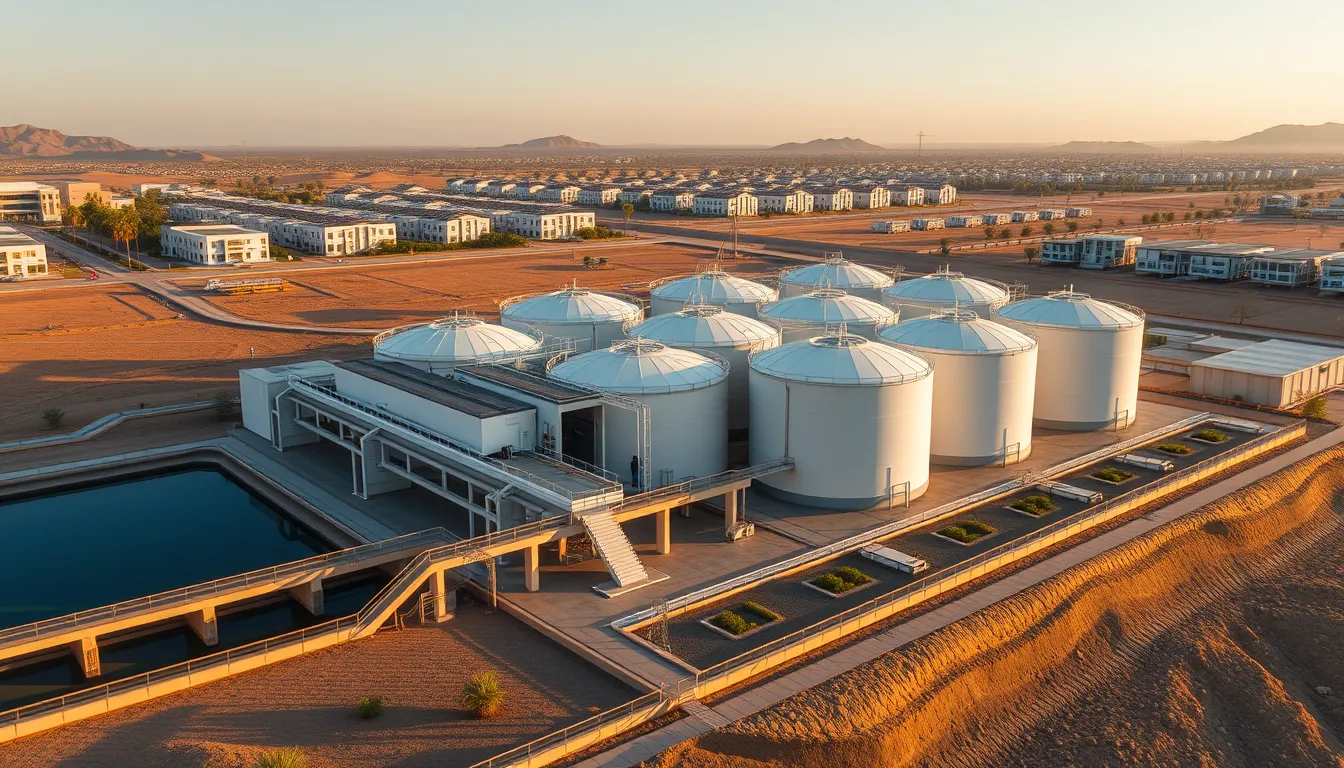
Key Development: Al Najd’s planned development projects are projected to require approximately 275 million cubic metres of water annually—nearly double the current regional supply of 139 million cubic metres. This water infrastructure gap represents one of Oman’s most critical investment priorities as the sultanate accelerates economic diversification under Vision 2040.
Water scarcity has historically constrained development in the Arabian Peninsula, making Oman’s proactive approach to water security a strategic differentiator. The Al Najd expansion signals confidence in the region’s ability to sustain large-scale commercial, industrial, and residential projects—a prerequisite for attracting foreign investment and maintaining competitive advantage within the GCC.
From a macroeconomic perspective, this infrastructure challenge reflects broader economic ambitions. The doubling of water requirements indicates the sultanate is investing in sectors beyond hydrocarbons: tourism, agriculture, manufacturing, and urban expansion. Such diversification strengthens Oman’s economic resilience and reduces dependency on oil revenues, critical factors for long-term stability.
For expatriates and international investors evaluating Oman as a residential and commercial destination, water security is fundamental. Governments that prioritize infrastructure investment—especially in essential resources—demonstrate institutional maturity and forward planning. This approach enhances quality of life for residents and protects property valuations by ensuring essential services remain reliable during economic transitions.
Investor Insight: Infrastructure investments of this magnitude typically precede real estate appreciation cycles. Regions receiving significant water, power, and transportation infrastructure upgrades experience sustained demand from both domestic and expatriate populations. Al Najd’s development trajectory positions emerging real estate opportunities in Dhofar’s secondary markets competitively against Muscat’s saturated premium segments.
Oman’s transparent approach to publishing infrastructure constraints—rather than concealing them—reflects governance standards that international investors value. The sultanate’s willingness to address resource challenges publicly and systematically builds confidence in long-term regulatory stability and institutional credibility.
As Oman positions itself as the region’s most accessible and stable investment environment, water infrastructure planning becomes a tangible indicator of Vision 2040’s feasibility. Investors monitoring these developments gain insight into which regions will likely experience sustained demand, improved amenities, and enhanced property valuations over the next decade.
Source: www.omanobserver.om