Omans Halal Tourism Push Signals Diversification Strategy for Long-Term Growth
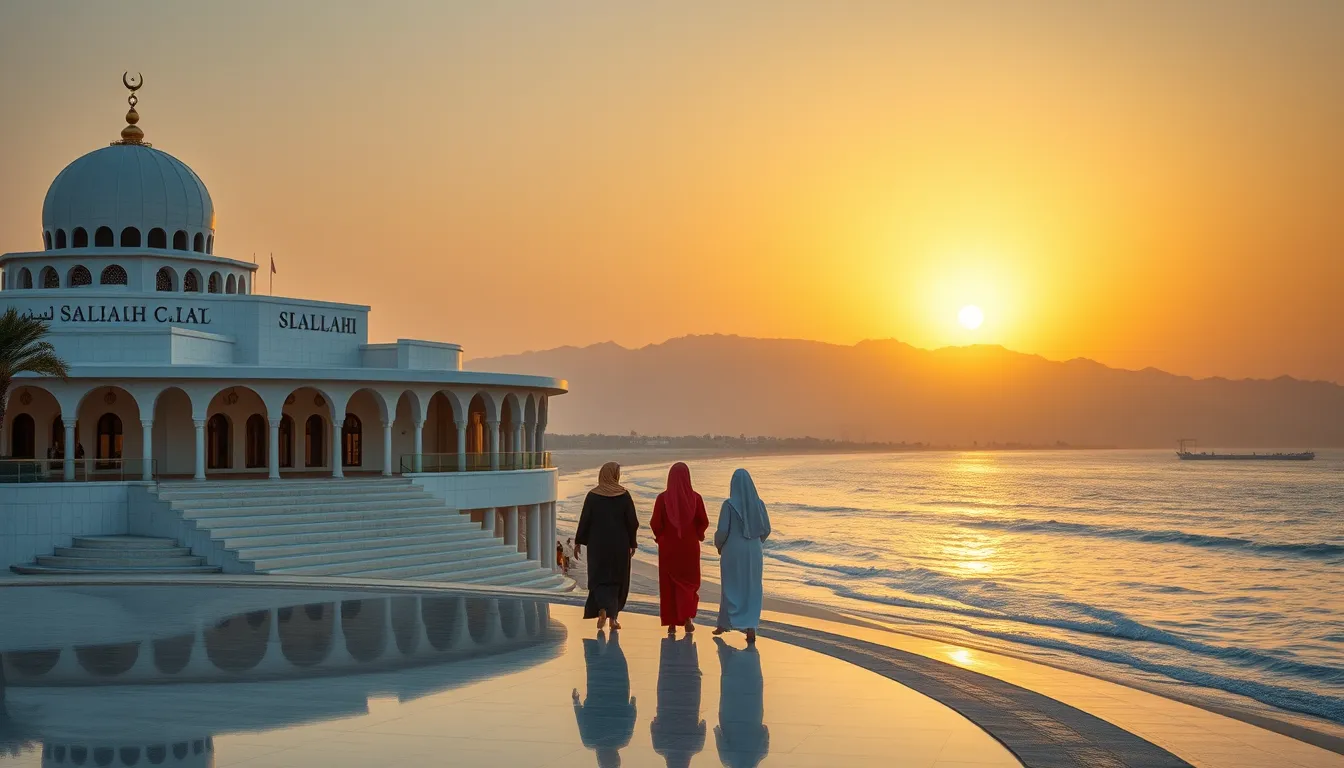
Key Development: Oman is hosting a specialised three-day halal tourism workshop in Salalah, bringing together government and private-sector stakeholders to explore opportunities within the growing halal tourism sector. This initiative represents a deliberate pivot toward sector diversification as part of Oman’s Vision 2040 economic modernisation strategy.
Halal tourism—travel experiences designed around Islamic values, including halal-certified hospitality, prayer facilities, and culturally sensitive attractions—represents one of the fastest-growing tourism segments globally. The Organisation of Islamic Cooperation estimates the halal tourism market at over $200 billion annually. Oman’s positioning as a safe, stable, and culturally authentic Gulf destination positions it competitively within this niche but expanding market.
From an economic perspective, this workshop signals serious government commitment to reducing oil-sector dependency. Tourism diversification creates multiplier effects across hospitality, construction, transportation, and professional services—sectors that directly benefit residential demand. Salalah’s selection is particularly strategic; the Dhofar region already attracts international visitors through natural attractions and cultural heritage, making it a natural hub for experiential, faith-aligned tourism infrastructure.
The involvement of both government and private sector underscores Oman’s pragmatic approach to economic planning. Public-private collaboration typically precedes substantial investment in tourism assets, including hospitality zones, resort developments, and supporting residential communities that attract expatriate professionals and investors.
Investor Insight: Investors should note that tourism sector expansion directly correlates with property value appreciation in gateway regions. Historical patterns across Gulf markets show that destination tourism development drives demand for premium residential properties from hospitality professionals, international business owners, and lifestyle-oriented expats. Salalah and broader Dhofar regions, combined with Muscat’s established expat infrastructure, stand to benefit from expanded visitor flows and tourism-related employment.
Additionally, halal tourism certification and development frameworks often attract ESG-focused international investment—increasingly important for institutional capital flows into emerging markets. This positions Oman as a progressive, forward-thinking economy rather than purely traditional, enhancing its appeal to global investors seeking stable, ethically-aligned markets.
The workshop represents more than a sectoral initiative; it demonstrates Oman’s strategic thinking about sustainable, diversified growth. For those evaluating long-term residency or investment in the Gulf, such deliberate economic repositioning reflects the kind of institutional stability and forward planning that underpin premium property markets.
Source: timesofoman.com