Khareef Tourism Boom Signals Economic Resilience and Investment Demand
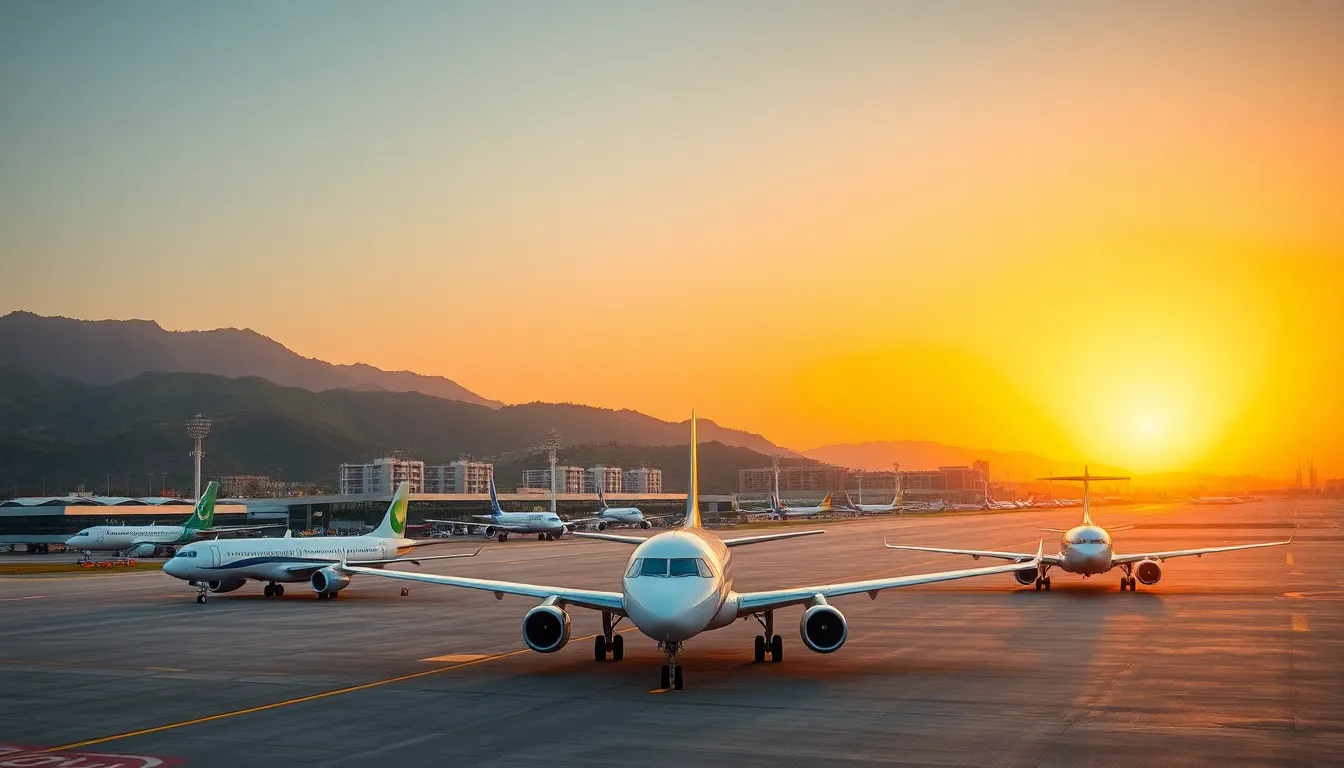
Key Development: Salalah Airport recorded 1,758 flight arrivals between June 21 and July 31, 2026, representing a meaningful increase from 1,637 flights in the comparable period of the previous year. This 7.4% growth during Oman’s celebrated Khareef season—when monsoon rains transform the southern Dhofar region into a lush, temperate landscape—underscores rising international interest in the Sultanate as a leisure and lifestyle destination.
The Khareef phenomenon has evolved into a significant economic driver for Oman’s tourism sector. Unlike typical summer travel patterns in the Middle East, this season attracts visitors seeking respite from extreme heat, positioning Oman as a differentiated competitor in regional tourism. The sustained growth in flight operations suggests that tour operators, hospitality providers, and travel agencies are expanding capacity to meet demand—a clear signal of confidence in Oman’s tourism trajectory.
From an infrastructure perspective, this activity validates the strategic importance of Salalah Airport as a multi-purpose gateway. Governments typically invest in airport expansion and operational efficiency when passenger volumes justify the capital outlay. Increased flight frequencies indicate operational improvements and carrier confidence, which indirectly benefit local economies through employment, service sector growth, and foreign exchange inflows.
Investor Insight: This development carries subtle but meaningful implications for real estate investors evaluating Oman’s medium to long-term stability. Tourism growth reflects several favorable macro-conditions: currency stability, political security, international brand recognition, and infrastructure readiness—all foundational elements that support property values and rental yields in lifestyle-oriented markets.
The Khareef influx particularly benefits Salalah and surrounding coastal regions, where premium residential and hospitality-linked developments attract both owner-occupiers and institutional investors. However, the broader takeaway extends to Muscat: a thriving tourism ecosystem creates a virtuous cycle of employment, household income growth, and demand for quality residential spaces across price segments.
Investors should note that tourism infrastructure investments—airport capacity, road networks, hospitality facilities—often precede residential real estate appreciation. Oman’s Vision 2040 strategy explicitly targets diversification away from oil dependency, positioning tourism as a pillar sector. Each metric confirming tourism resilience reinforces the macroeconomic rationale for long-term property investment in Oman’s premium segments.
Source: timesofoman.com