Omans State Enterprise Turnaround Signals Strengthened Economic Foundation
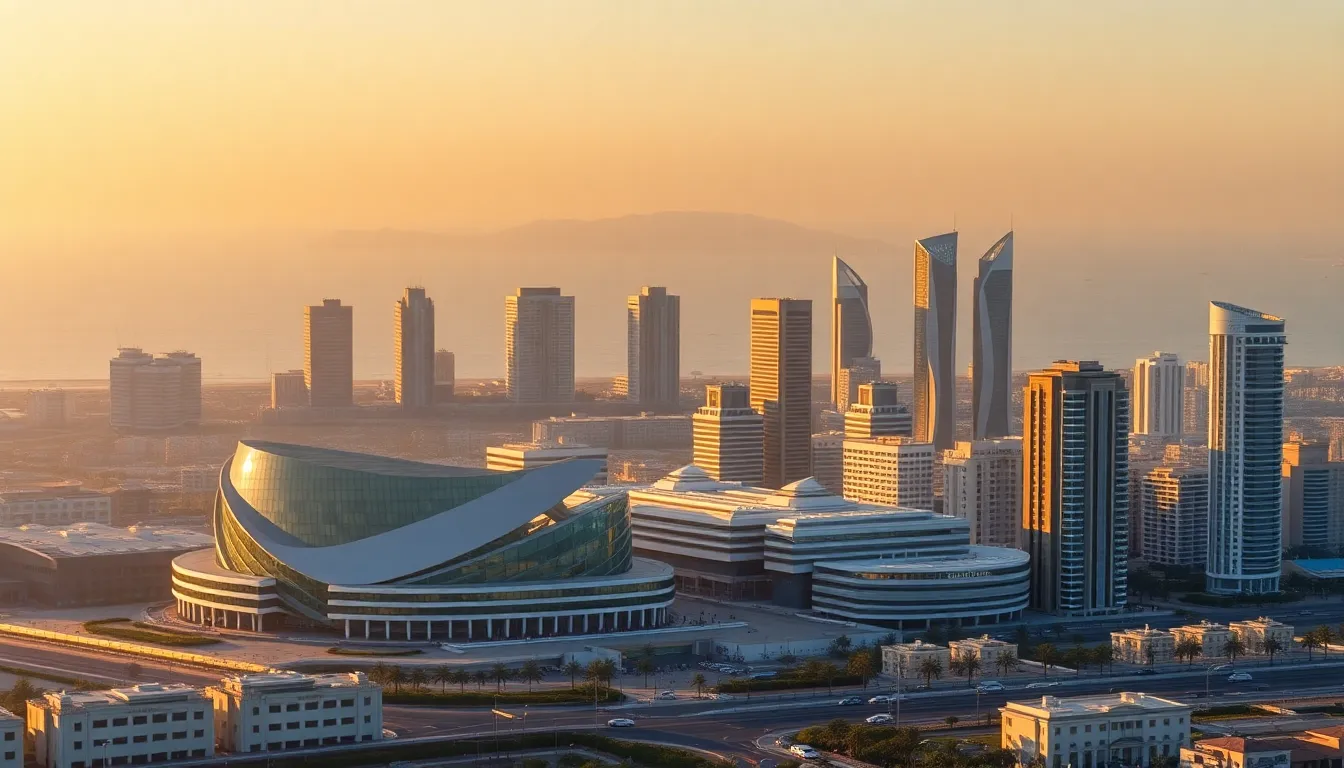
Key Development: The Oman Investment Authority (OIA) restructuring initiative has produced tangible results, with state-owned companies—notably OQ Group—achieving first-ever profitability milestones. This represents a fundamental transformation in how Oman manages its sovereign wealth and enterprise portfolio, reflecting broader economic modernization efforts aligned with Vision 2040.
From a macroeconomic perspective, this development carries significant weight. State-owned enterprises form the backbone of Oman’s economic infrastructure, and their improved financial performance indicates stronger fiscal fundamentals. When government-controlled entities transition from loss-making operations to profitability, it signals enhanced management practices, operational efficiency, and strategic capital allocation—precisely the conditions that attract foreign investors seeking stable economies.
For expatriates and international investors evaluating Oman’s long-term stability, enterprise profitability matters deeply. Profitable state companies generate government revenue without requiring increased taxation on residents or businesses. This creates favorable conditions for sustained public services, infrastructure maintenance, and ongoing Vision 2040 projects that enhance quality of life across Muscat and Oman’s premium coastal regions.
The OIA’s restructuring approach demonstrates institutional commitment to market-oriented principles. Rather than perpetuating inefficient operations, the authority has implemented performance accountability frameworks that push state entities toward commercial viability. This modernization ethos extends beyond finances—it shapes how Oman positions itself as a sophisticated investment hub rather than a subsidy-dependent economy.
Investors should note that improving state enterprise performance typically precedes broader economic confidence. When foreign observers see government-owned companies achieving sustainable profitability, it validates Oman’s governance quality and reduces perceived political or economic risk. This confidence translates into stronger currency stability, more predictable regulatory environments, and sustained demand for premium residential and commercial properties in integrated tourism complexes and waterfront communities.
Investor Insight: Economic turnarounds of this magnitude often catalyze secondary effects—increased foreign direct investment, visa policy expansion, and elevated property valuations in secure jurisdictions. Oman’s demonstrated ability to restructure and strengthen its commercial backbone reinforces its position as the Gulf’s most undervalued stable investment market, particularly for those seeking long-term residency in an economically sound, professionally managed nation.
Source: www.omanobserver.om